Introduction to the Eden Project
The Eden Project, a renowned ecological and educational attraction, is situated in the heart of Cornwall, England. Opened to the public in March 2001, this innovative site has become a symbol of environmental conservation and sustainability. Spanning a remarkable 35 acres, the Eden Project features a collection of biomes, which house plant species from various global ecosystems, providing visitors with an immersive experience of nature’s diversity.
Founded by Sir Tim Smit and his team, the Eden Project emerged from the vision of promoting environmental awareness and encouraging a sustainable lifestyle. The site was designed to educate the public about the fragility of ecosystems and the significance of conservation efforts. Through engaging exhibits and interactive displays, the Eden Project aims to inspire visitors of all ages to appreciate the wonders of the natural world and the pressing need to protect it.
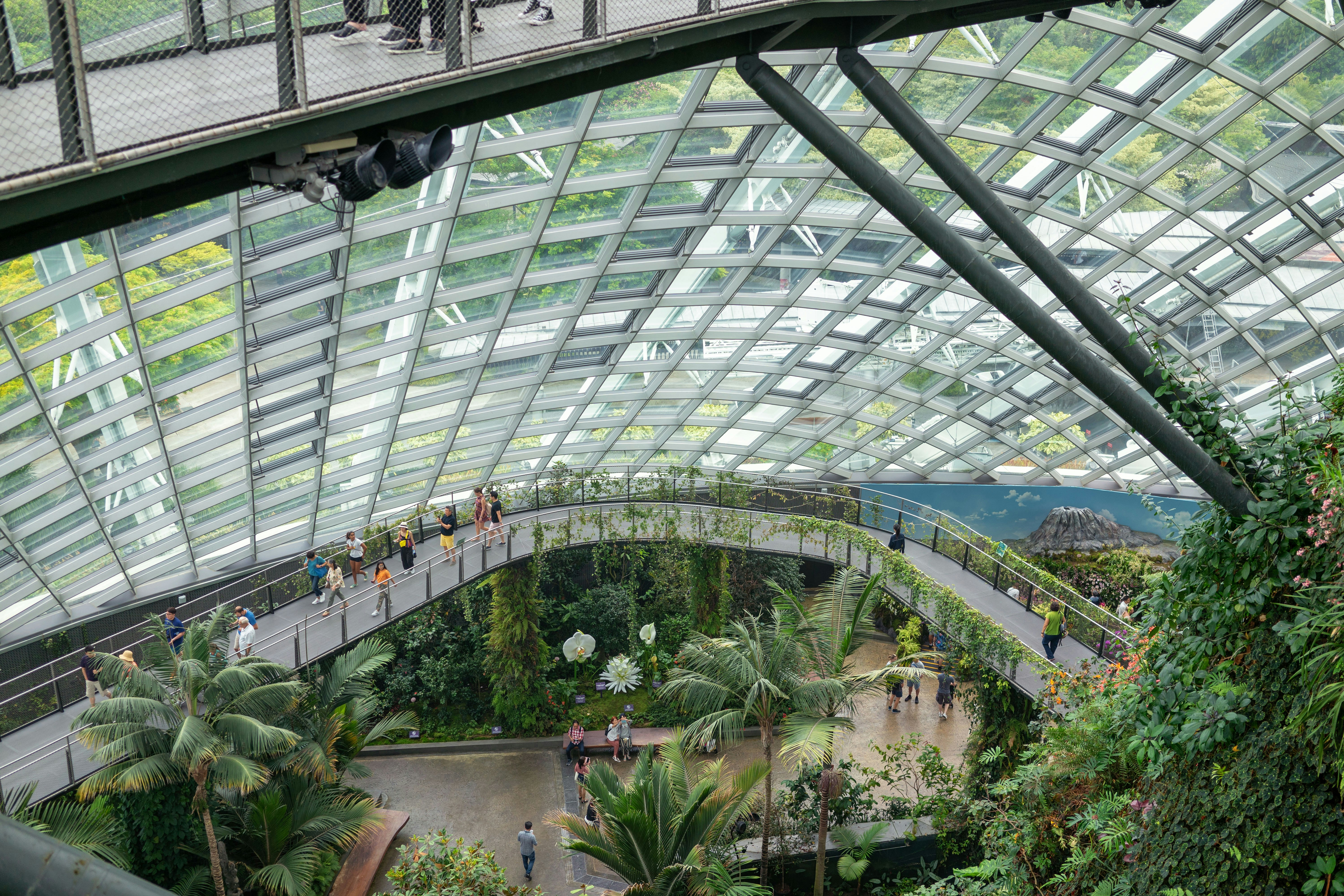
One of the defining features of the Eden Project is its biomes; the Rainforest Biome and the Mediterranean Biome are two of the most striking attractions. The Rainforest Biome replicates humid tropical environments, showcasing thousands of plant species, waterfalls, and a canopy walkway that allows for an up-close view of the diverse flora. Meanwhile, the Mediterranean Biome reflects the climate and biodiversity of regions such as California and South Africa, allowing visitors to explore unique plants that thrive in such environments.
In addition to its biomes, the Eden Project hosts numerous educational programs, workshops, and events that emphasize sustainability and ecological stewardship. Through these initiatives, the Project fosters a deeper understanding of the interconnectedness of human and environmental health, ultimately working towards a more sustainable future. The Eden Project serves as a beacon of hope and action, encouraging everyone to take part in the journey towards a healthier planet.
The Biomes: A Closer Look
The Eden Project, renowned for its innovative approach to environmental education, features two primary biomes: the Rainforest Biome and the Mediterranean Biome. Each of these structures serves as a separate habitat, meticulously designed to replicate the natural ecosystems they represent, showcasing a variety of plant species and promoting biodiversity.
The Rainforest Biome, recognized as the largest indoor rainforest in the world, encapsulates a tropical climate characterized by high humidity and fluctuating temperatures. Here, visitors can explore an impressive collection of plants, including towering trees, vibrant orchids, and unique palm species. This biome is not just an exhibit but a living laboratory, highlighting the importance of rainforest ecosystems in regulating global climate and supporting countless species. The biome also features cascading waterfalls and a multi-level walkthrough that provides an immersive experience for exploration. Through the diverse plant life, visitors learn about the critical role rainforests play in carbon sequestration and the effects of deforestation on the planet.
Conversely, the Mediterranean Biome presents a much drier climate, hosting a range of plants adapted to arid conditions. This biome displays flora from regions that share a Mediterranean climate, such as the southern coasts of Europe and parts of California. Key species include olive trees, vibrant flowers, and aromatic herbs, all of which are vital for understanding how various plants have evolved to survive in limited water conditions. The design of this biome emphasizes the significance of sustainable agricultural practices and the conservation of habitats that are threatened by climate change. Each section of the Mediterranean Biome offers insights into the interconnectivity between plants, climate, and human agricultural practices.
In summary, the Rainforest and Mediterranean Biomes showcase the vast diversity of plant species and ecosystems, illustrating their ecological significance and the urgency of conservation efforts. The Eden Project stands as a testament to the intricate relationships between nature and humanity, inviting visitors to reflect on the importance of protecting our planet’s natural wonders.
Sustainable Practices at Eden
The Eden Project is often celebrated not only for its breathtaking biomes but also for its unwavering commitment to sustainability. At its core, the initiative embodies environmentally friendly practices that aim to mitigate the adverse effects of climate change while showcasing a harmonious relationship with nature. One of the key aspects of these sustainable practices is the use of renewable energy sources. The site is powered by a combination of solar panels and geothermal energy, significantly reducing its carbon footprint. This reliance on renewables exemplifies a forward-thinking approach to energy consumption, ultimately setting a standard for other institutions striving for sustainability.
Additionally, the Eden Project implements robust water conservation efforts. This includes a state-of-the-art rainwater harvesting system that collects and utilizes rainwater for irrigation and other purposes throughout the site. Such methods not only ensure that water resources are used judiciously but also help to preserve the local ecosystem. Furthermore, the Eden Project conducts regular assessments of its water usage, ensuring that the practices in place adapt as necessary to optimize conservation efforts, thus serving as an effective model for other organizations to emulate.
Waste management is another critical component of the Eden Project’s sustainability strategy. The initiative has integrated a comprehensive recycling program, aimed at minimizing waste generated on-site. This encompasses composting organic materials, repurposing plastics, and promoting reusable products among visitors. By focusing on the principles of reduce, reuse, and recycle, the Eden Project fosters a culture of environmental responsibility that extends beyond its boundaries, inspiring visitors to adopt similar practices in their daily lives.
Through these sustainable practices, the Eden Project not only preserves the beauty of its environment but also serves as an educational platform. It allows visitors to witness firsthand the importance of environmental stewardship and the tangible impacts of adopting sustainable practices in their own communities.
Educational Programs and Workshops
The Eden Project serves as a hub for education, providing a diverse range of educational programs and workshops that cater to visitors of all ages. These initiatives are designed to foster a deeper understanding of environmental issues while promoting active participation in sustainability efforts. The programs range from hands-on workshops focused on gardening and conservation to lectures that explore key topics in ecology and environmental science.
For schools and educational institutions, the Eden Project offers tailored programs that align with various curricula. These programs encourage students to engage with nature, understand biodiversity, and grasp the intricate processes that sustain ecosystems. The workshops often include activities such as plant cultivation, soil health discussions, and insights into climate change, thereby highlighting the crucial relationship between humans and the environment.
Adults seeking to expand their knowledge can benefit from a range of courses and activities that delve into sustainable living practices, ranging from composting and permaculture to renewable energy solutions. These educational opportunities not only provide valuable information but also empower participants to implement sustainable practices in their daily lives. Moreover, the interactive nature of these workshops allows participants to share experiences and learn from one another, fostering a community committed to sustainability.
The Eden Project also hosts seasonal events and special workshops focused on specific themes, such as wildlife conservation or indigenous plant species. These events create additional learning opportunities, engaging visitors in deeper discussions about environmental stewardship and the impact of human activities on natural habitats. Overall, the educational offerings at the Eden Project are integral to fostering awareness and responsibility towards our planet, reinforcing the idea that everyone has a role to play in preserving our natural world.
Art and Culture at the Eden Project
The Eden Project is not only a center for ecological education but also a vibrant venue for artistic expression and cultural events. Throughout the atmospheric landscapes of the project, various art installations create an engaging environment that blends nature with creativity. These installations are carefully curated to evoke thought and inspire conversations about sustainability and environmental stewardship. By placing artwork within natural settings, the Eden Project fosters a unique dialogue between art and nature, allowing visitors to appreciate the beauty of both.
In addition to static displays, the Eden Project hosts a variety of performances throughout the year. These performances range from theater productions to musical events, each tapping into ecological and cultural themes that resonate with the project’s mission. These events are designed to entertain while simultaneously educating audiences about the significance of biodiversity and conservation. Artists are often invited to engage with the landscapes and biodiversity of the Eden Project, creating works that respond directly to these elements, fostering a deeper connection between the audience and the environment.
The Eden Project also organizes cultural events that celebrate diverse communities and traditions, highlighting global ecological issues. These events often feature local artisans, cultural exhibits, and interactive workshops that demonstrate sustainable practices. By incorporating a broad spectrum of cultural perspectives, the project emphasizes the universal relevance of ecological preservation. Visitors have the opportunity to learn about various cultural approaches to nature, enhancing their understanding of global ecology while enjoying a rich tapestry of artistic and cultural expressions.
Through the integration of art and culture, the Eden Project not only enriches the visitor experience but also effectively communicates important ecological messages. This holistic approach embodies the belief that art can inspire action and deepen our appreciation for the natural world, making the Eden Project a true marvel of creativity and environmental commitment.
Impacts on Local Community and Economy
The Eden Project, located in the heart of Cornwall, has had a profound and positive impact on the local community and economy. Since its inception, it has emerged as a catalyst for significant economic growth in the region. One of the most notable contributions is job creation. The Eden Project employs hundreds of staff across various departments, including horticulture, education, hospitality, and conservation. This infusion of employment opportunities has not only bolstered the local workforce but has also encouraged skill development and vocational training tailored to the environmental and tourism sectors.
Tourism forms another vital pillar in the economic framework influenced by the Eden Project. As an iconic attraction, it draws in millions of visitors each year, providing direct revenue to local businesses such as hotels, restaurants, and shops. The surge in tourism has spurred investment in infrastructure, enhancing transportation and facilities to accommodate the increased footfall. Moreover, local artisans and vendors have benefited from the foot traffic, allowing them to promote and sell their crafts and produce to a wider audience.
In terms of local partnerships, the Eden Project has established collaborative efforts with various educational institutions, community organizations, and environmental groups. These partnerships emphasize sustainable practices and awareness, further embedding the values of conservation within the community. Initiatives such as workshops and hands-on learning experiences not only engage the local populace but also aim to inspire future generations to appreciate and protect their natural surroundings.
Overall, the Eden Project’s influence extends beyond its physical boundaries, serving as a unifying force within Cornwall. By focusing on job creation, stimulating tourism, and fostering vital partnerships, it plays a crucial role in the region’s sustainable development and economic prosperity.
Visitor Experience: What to Expect
The Eden Project, an iconic environmental complex located in Cornwall, England, offers visitors an immersive experience that seamlessly blends education and enjoyment. Upon arrival, guests are guided through a straightforward ticketing process, with options for standard day tickets as well as family and group packages. Advance online booking may be available, providing a speedy entry that allows visitors to maximize their time in the biodiversity-rich domes. The Eden Project typically operates from 9:00 AM to 6:00 PM, but visitors should check the official website for seasonal variations in opening hours.
Facilities at the Eden Project are thoughtfully designed to enhance the overall visitor experience. Ample parking is available on-site, and for those relying on public transportation, local bus services provide convenient options for access. Within the venue, rest areas, cafes, and restaurants cater to various dietary preferences, allowing guests to enjoy a meal or snack while taking in the stunning surroundings. Educational exhibits and interactive displays are strategically placed throughout the grounds, providing insight into global conservation efforts and the significance of botanical diversity.
For those desiring a deeper understanding of the Eden Project, guided tours are offered by knowledgeable staff who share engaging narratives about the flora and sustainability initiatives. These tours not only enrich the visitor experience but also encourage environmental stewardship among participants. Accessibility is also a focus at the Eden Project, with paths designed for ease of movement, making the site welcoming for visitors with mobility challenges. Overall, the Eden Project promises a memorable encounter with nature’s marvels, ensuring that all guests leave with a greater appreciation for the environment.
Conservation Efforts and Global Impact
The Eden Project stands as a testament to environmental conservation efforts aimed at combating ecological degradation on both local and global scales. Central to its mission is the belief that through education, sustainable practices, and community engagement, a positive impact can be made on the planet’s health. Since its inception, the Eden Project has undertaken various collaborative initiatives designed to address critical environmental challenges, such as climate change, biodiversity loss, and resource depletion.
One of the hallmark aspects of the Eden Project’s conservation efforts is its commitment to research projects that scrutinize the interplay between humans and nature. These research initiatives not only focus on understanding the local flora and fauna but also delve into global issues affecting ecosystems worldwide. By working alongside universities, governmental institutions, and non-profit organizations, the Eden Project has contributed to significant advancements in sustainable agriculture, renewable energy, and habitat restoration practices. This interdisciplinary approach ensures that the conservation strategies employed are scientifically informed and culturally relevant, resonating with diverse audiences.
Moreover, outreach programs spearheaded by the Eden Project play a crucial role in fostering community involvement and global consciousness. Through workshops, educational events, and interactive exhibits, the project engages visitors of all ages, promoting sustainable living practices and environmental stewardship. These initiatives extend beyond the borders of the UK, encouraging a global discourse on conservation and inspiring individuals to adopt eco-friendly practices in their own communities. By amplifying awareness of environmental issues and providing practical solutions, the Eden Project encourages a grassroots movement toward sustainability, ultimately aiming to unify nations in the shared goal of preserving our planet for future generations.
Future Developments and Goals
The Eden Project is continually evolving, underscoring its commitment to adapting to the changing environmental landscape and enhancing educational opportunities. In the coming years, several key developments are on the horizon, aimed at reinforcing its role as a leader in sustainable practices and environmental education. One of the primary goals is to expand its educational programs, tapping into innovative technologies and methodologies. With a focus on engaging younger generations, the Eden Project seeks to create immersive learning experiences that foster a deep understanding of ecological principles.
In addition to educational enhancements, the Eden Project is planning for new biomes and gardens that will house a diverse array of plant species. These upcoming installations aim to showcase the beauty and importance of various ecosystems worldwide, all while integrating sustainability into their design and operation. This commitment is particularly relevant in light of ongoing climate challenges, as the Project works to demonstrate practical solutions to cope with environmental changes.
Furthermore, the Eden Project is exploring partnerships with organizations and institutions to facilitate global initiatives. By collaborating with experts and activists in the field of sustainability, the project aims to promote biodiversity and conservation efforts beyond its boundaries. These partnerships will also focus on sharing best practices and research findings, ensuring that the knowledge generated at the Eden Project benefits a wider audience.
Long-term goals also include improving infrastructure to enhance accessibility and visitor experience. By investing in renewable energy sources and sustainable building practices, the Eden Project aims to set a benchmark for eco-tourism. Ultimately, these future developments signify a dedication to not only addressing current environmental challenges but fostering a culture of sustainability that extends far beyond the borders of the project itself.