Introduction to the United Arab Emirates
The United Arab Emirates (UAE) is a federation of seven emirates situated in the southeastern corner of the Arabian Peninsula, bordered by Saudi Arabia to the south and Oman to the southeast. Establishing its union in 1971, the UAE emerged as a remarkable example of collaboration among its emirates, namely Abu Dhabi, Dubai, Sharjah, Ajman, Umm Al-Quwain, Fujairah, and Ras Al Khaimah. This strategic alliance has fostered a significant development trajectory, positioning the UAE as a pivotal part of the Middle Eastern economy and culture.
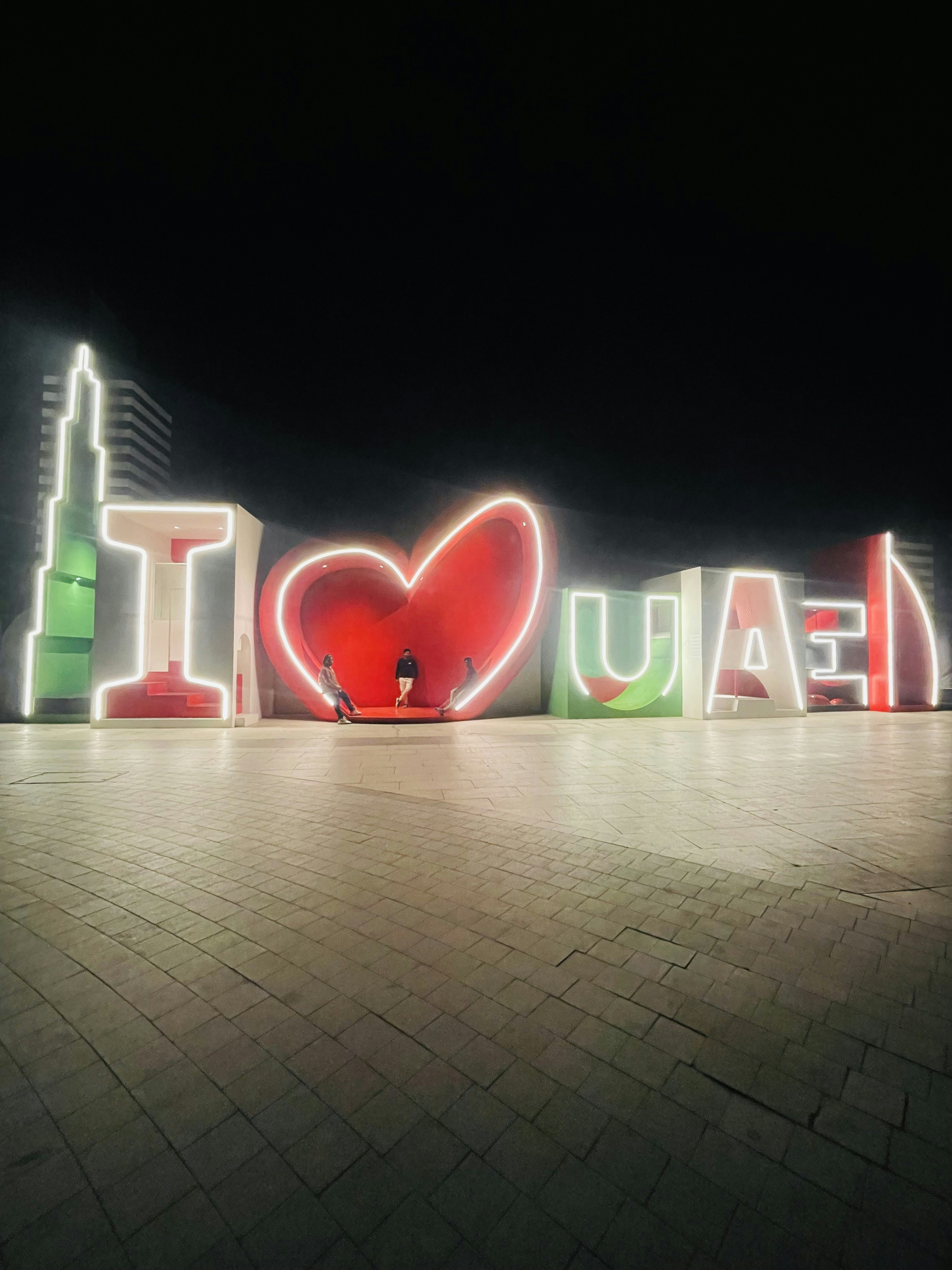
The geographic location of the UAE plays a crucial role in its significance, serving as a bridge between the East and the West. This unique position has made it a favored destination for global commerce, tourism, and cultural exchange. The nation’s major cities, especially the capital, Abu Dhabi, and the iconic Dubai, exemplify a remarkable blend of modern architecture, luxury, and rich traditions. The skyscrapers of Dubai’s skyline, including the Burj Khalifa, stand as testaments to its commitment to innovation, attracting millions of visitors each year.
<pdespite a="" alongside="" ancient="" and="" backgrounds,="" blend="" boasts="" both="" by="" coexisting="" contemporary="" contributing="" cultural="" deeply="" distinct="" diverse="" dynamic="" each="" eager="" emirate="" environment="" exceptional="" expatriates="" experience="" from="" geography,="" harmonious="" heritage,="" history,="" identity,="" in="" includes="" its="" lifestyles.="" luxury="" malls—creates="" modernization,="" multiculturalism.="" nation.The Rich Cultural Heritage of the UAE
The United Arab Emirates (UAE) possesses a rich cultural heritage that stems from a confluence of traditional practices shaped by its historical Bedouin roots and the vibrant influences brought by its diverse expatriate community. Emirati culture is characterized by its customs, art forms, and social structures that reflect the unique blend of the past and present. Family structures in the UAE are traditionally extended, where the family unit remains the cornerstone of social life, underscoring the values of kinship and hospitality which are intrinsic to Emirati society.
Among the many facets of the UAE’s cultural identity, traditional arts play a prominent role. These include stunning handicrafts such as weaving, pottery, and silverwork, often passed down through generations, embodying both heritage and innovation. Music and dance are equally significant, with performances like the Al Ayala and Al Razfa serving not only as entertainment but also as a means of storytelling that preserves the historical narratives of the region. The rhythmic beats of traditional music resonate deeply within urban and rural communities alike, highlighting a sense of belonging while celebrating Emirati identity.
Cuisine in the UAE is another vital aspect of its cultural heritage, characterized by a blend of regional flavors and international influences. Traditional dishes such as Al Harees and Majboos reflect the culinary practices that have been honed over centuries, while the multicultural population introduces an array of gastronomic experiences. This diversity enriches the dining scene, making it a significant element of everyday life and festivities. Furthermore, the UAE’s dedication to cultural preservation is evident in its initiatives to promote its heritage, through museums and cultural festivals that bring together various communities to celebrate the art, food, and traditions of the nation.
Economic Growth and Innovation
The United Arab Emirates (UAE) has experienced remarkable economic growth, particularly following the discovery of oil in the 20th century. Oil exports led to a rapid transformation of the country, driving substantial investments in infrastructure, education, and healthcare. Today, the UAE boasts one of the most diversified economies in the Middle East, with key sectors contributing to its impressive GDP. Among the prominent industries are tourism, finance, and real estate. Each sector plays a crucial role in shaping the economic landscape of the nation.
Tourism remains a cornerstone of the UAE’s economy, with cities like Dubai and Abu Dhabi attracting millions of visitors annually. The country’s strategic location, coupled with its luxurious amenities and rich cultural heritage, positions it as a premier global tourist destination. Major attractions, such as the Burj Khalifa, the Louvre Abu Dhabi, and numerous shopping festivals, enhance its appeal, further stimulating economic activity.
The financial sector is another pillar of the UAE economy. With the establishment of the Dubai International Financial Centre (DIFC) and the Abu Dhabi Global Market (ADGM), the region has emerged as a prominent financial hub, attracting global investors. The regulations and international standards upheld in these free zones encourage innovation and entrepreneurship, showcasing the UAE as a leader in financial services.
Moreover, the real estate industry continues to thrive, bolstered by ongoing megaprojects and urban development initiatives. High-profile projects such as the Expo 2020 in Dubai have spurred significant investment and interest in the property market.
To nurture further growth, the government has launched initiatives like UAE Vision 2021, which aims to position the nation as a leader in innovation and technology. This vision emphasizes the importance of research and development, enabling an environment conducive to creativity and advancement. Overall, the UAE exemplifies a commitment to economic resilience and innovation, continually adapting to the evolving global landscape.
Tourism: A Glimpse of Luxury and Adventure
The United Arab Emirates (UAE) has emerged as a premier destination for travelers seeking a unique blend of luxury and adventure. This opulent nation, comprised of seven emirates, offers a wealth of iconic landmarks that attract millions of tourists each year. One such landmark is the Burj Khalifa in Dubai, the tallest building in the world. Towering at 828 meters, it provides breathtaking views from its observation decks, offering visitors a chance to experience the city’s skyline and beyond.
Another must-visit attraction is the Louvre Abu Dhabi, a masterpiece of art and architecture that opened its doors in 2017. This museum houses a stunning collection of artworks and artifacts from different cultures and epochs, bridging the gap between Eastern and Western art. The UAE’s commitment to cultural enrichment is further demonstrated through various cultural festivals that take place throughout the year, such as the Abu Dhabi Film Festival and Dubai Shopping Festival, where art, fashion, and culinary experiences converge.
In addition to its rich cultural landscape, the UAE offers an array of adventure tourism opportunities. Thrill-seekers can indulge in exhilarating desert safaris that feature dune bashing, camel riding, and authentic Bedouin experiences. The stunning dunes of the Arabian Desert create the perfect backdrop for these adventures. Furthermore, the UAE’s coastline is adorned with pristine beaches, perfect for water sports such as jet skiing, parasailing, and scuba diving. Each emirate presents unique experiences, from the cultural attractions in Sharjah to the vibrant nightlife in Dubai, making the UAE a hub for unforgettable adventures.
Thus, the tourism sector in the UAE truly reflects a harmonious blend of luxurious offerings and thrilling activities, ensuring that every visitor leaves with remarkable memories.
Education and Youth Empowerment
The United Arab Emirates (UAE) has made significant strides in developing its educational landscape, prioritizing education as a cornerstone of its national development strategy. In recent years, the UAE government has embarked on ambitious initiatives aimed at transforming the country into a hub of knowledge and innovation. These efforts focus not only on enhancing the quality of education but also on fostering an environment that empowers youth to actively participate in shaping the nation’s future.
Advancements in both K-12 schools and higher education institutions reflect the UAE’s commitment to creating a world-class education system. The introduction of new curricula that emphasize critical thinking, problem-solving, and creativity aligns with the country’s vision of cultivating a future workforce ready to meet the demands of a rapidly changing global economy. Moreover, collaborations with prestigious international universities have enriched the local academic landscape, offering students access to diverse educational resources and cutting-edge research.
Government policies play a pivotal role in encouraging the development of a knowledge-based economy. Through programs such as the National Strategy for Higher Education 2030, the UAE seeks to enhance the quality and accessibility of higher education. These initiatives aim to instill a sense of innovation among UAE nationals, promoting entrepreneurship and leadership skills that are crucial in a competitive job market. In addition, scholarship schemes and training programs designed specifically for young Emiratis aim to empower them with the necessary tools to thrive in various professional fields.
Furthermore, youth empowerment in the UAE extends beyond education. The government has established platforms for youth engagement, including councils and forums where young people can voice their opinions and contribute to policy-making processes. This proactive approach not only fosters civic responsibility but also encourages the next generation to take pride in their heritage while being active contributors to the UAE’s future.
Sustainability Efforts and Environmental Initiatives
The United Arab Emirates (UAE) has increasingly recognized the critical importance of sustainability and environmental protection in the context of its rapid development. As a nation that has historically relied on its oil and gas sector, the UAE is now making significant strides toward a more sustainable future by investing heavily in renewable energy and innovative environmental initiatives. One of the flagship projects in this realm is Masdar City, an ambitious endeavor designed to be a zero-carbon, zero-waste urban community. Masdar City serves as a hub for clean technology and sustainable urban living, showcasing the potential for environmentally conscious development.
Furthermore, the UAE has launched a variety of renewable energy initiatives aimed at decreasing its dependence on fossil fuels. The Mohammed bin Rashid Al Maktoum Solar Park, for instance, is one of the largest solar energy projects in the world, with the goal of generating 5,000 megawatts by 2030. This project not only emphasizes the UAE’s commitment to a sustainable energy future but also contributes to global efforts in reducing carbon emissions and mitigating climate change impacts.
In addition to energy projects, the UAE is actively engaged in conservation efforts to protect its unique natural resources. Various organizations and government bodies are involved in initiatives aimed at preserving the country’s biodiversity. For instance, the widescale planting of indigenous flora has been adopted as a means to combat desertification and improve overall ecological health. The UAE also participates in international collaborations focused on marine conservation and species protection, underscoring its dedication to preserving the environmental integrity of the region.
As the UAE continues to grow and develop, the emphasis on sustainability will play an essential role in shaping its future, ensuring a balance between economic progress and environmental stewardship.
Architecture: A Blend of Tradition and Modernity
The architectural landscape of the United Arab Emirates (UAE) presents a fascinating juxtaposition of traditional Islamic design and cutting-edge modernism, symbolizing the country’s rapid advancement and cultural heritage. In cities like Abu Dhabi and Dubai, one can observe a remarkable blend of historical and contemporary structures that define the skyline and convey a sense of identity. This artistic dialectic is exemplified through architectural masterpieces, such as the Sheikh Zayed Grand Mosque and the Burj Al Arab, which serve both as cultural landmarks and functional spaces.
The Sheikh Zayed Grand Mosque, completed in 2007, is a stunning testament to traditional Islamic architecture. It features intricate mosaics, hand-crafted tiles, and grand domes that echo classical design while incorporating modern engineering techniques. This architectural marvel not only serves as a place of worship but also as a symbol of tolerance and inclusivity. With the ability to accommodate over 40,000 worshippers, it stands as one of the largest mosques worldwide, drawing countless visitors eager to witness its beauty and learn about Emirati culture.
In stark contrast, the Burj Al Arab, often regarded as the world’s most luxurious hotel, showcases the opulence of modern architecture. Designed in the shape of a billowing sail, this iconic structure exemplifies the UAE’s penchant for grandeur and innovation. Its distinct silhouette has become a symbol of Dubai’s ambition and economic prowess, attracting visitors from around the globe. The interplay between traditional elements and modern functionalities is also reflected in various architectural competitions, which aim to inspire innovation while respecting cultural contexts. Such competitions encourage architects to harmonize cutting-edge design with the rich historical backdrop of the region.
Through these examples and countless others, the UAE’s architecture serves as a canvas illustrating the dynamic fusion of history and progress, an ongoing reflection of the nation’s journey toward the future.
Events and Festivals: Celebrating Diversity
The United Arab Emirates (UAE) is a vibrant tapestry woven from various cultural influences, and this diversity is prominently showcased through its numerous events and festivals. One of the most anticipated events is the Dubai Shopping Festival, which takes place annually and transforms the city into a shopper’s paradise. This month-long celebration features unlimited discounts, fireworks, and various entertainment options, attracting millions of visitors from around the globe. It not only stimulates the economy but also fosters a sense of community, as both residents and tourists come together to enjoy the festivities.
In addition to commercial festivals, the Abu Dhabi Film Festival is a notable event that highlights the growing cinematic culture in the region. Showcasing films from across the Middle East and beyond, it provides a platform for filmmakers and industry professionals to connect. The festival draws in art enthusiasts and supports local filmmakers, emphasizing the UAE’s commitment to nurturing emerging talent in the arts. Such cultural exhibitions and film festivals play a crucial role in promoting cultural dialogue and understanding among diverse communities.
Moreover, the country hosts a variety of cultural exhibitions that celebrate the rich heritage and traditions of the UAE, often coinciding with significant dates like the UAE National Day. These events are designed to educate attendees about the nation’s history, art, and crafts, allowing locals and visitors alike to engage with the Emirati culture more intimately. Festivals such as Eid al-Fitr and Eid al-Adha further showcase the traditions of Islamic culture through communal prayers, feasting, and sharing gifts, promoting social unity.
Through these events and festivals, the UAE not only entertains but also fosters a sense of belonging and appreciation for multiculturalism. By bringing together people from diverse backgrounds, they create spaces for interaction, understanding, and celebration of the unique blend of cultures that define this remarkable nation, thus enhancing tourism and community spirit.
Conclusion: The Future of the UAE
The United Arab Emirates (UAE) stands as a dynamic hub at the intersection of culture, innovation, and adventure. Throughout this exploration, we have highlighted the nation’s rich heritage, significant advancements in technology, and commitment to sustainable development. As the UAE moves forward, its strategic initiatives aim to foster economic diversification and social progress, positioning it as a leader on the global stage.
In terms of economic growth, the UAE continues to invest heavily in sectors such as renewable energy, tourism, and technology. The country’s Vision 2021 emphasizes the need for a knowledge-based economy that can leverage innovation. Notable projects like the Mohammed bin Rashid Al Maktoum Solar Park and the ambitious plans for the Expo 2020 site underscore the UAE’s dedication to pioneering sustainable practices and attracting international investment.
On the cultural front, the UAE’s investments in the arts and heritage will likely enhance its identity as a cultural powerhouse. Initiatives such as the Louvre Abu Dhabi and the upcoming museums highlight the nation’s commitment to preserving its history while engaging with global artistic movements. This blend of tradition and modernity positions the UAE not just as a tourist destination, but as a cultural nexus.
However, challenges remain, including navigating geopolitical dynamics and ensuring equitable growth among the diverse communities residing within the Emirates. Addressing these issues will be crucial for the UAE to maintain its momentum and uphold its reputation as a beacon of tolerance and prosperity in the region.
In conclusion, the future of the UAE is bright as it continues to embrace innovation, cultural richness, and sustainability. With its proactive approach to global challenges and its vision for a diverse economy, the UAE is poised to become a template for success in the modern world.