The History of Indigo
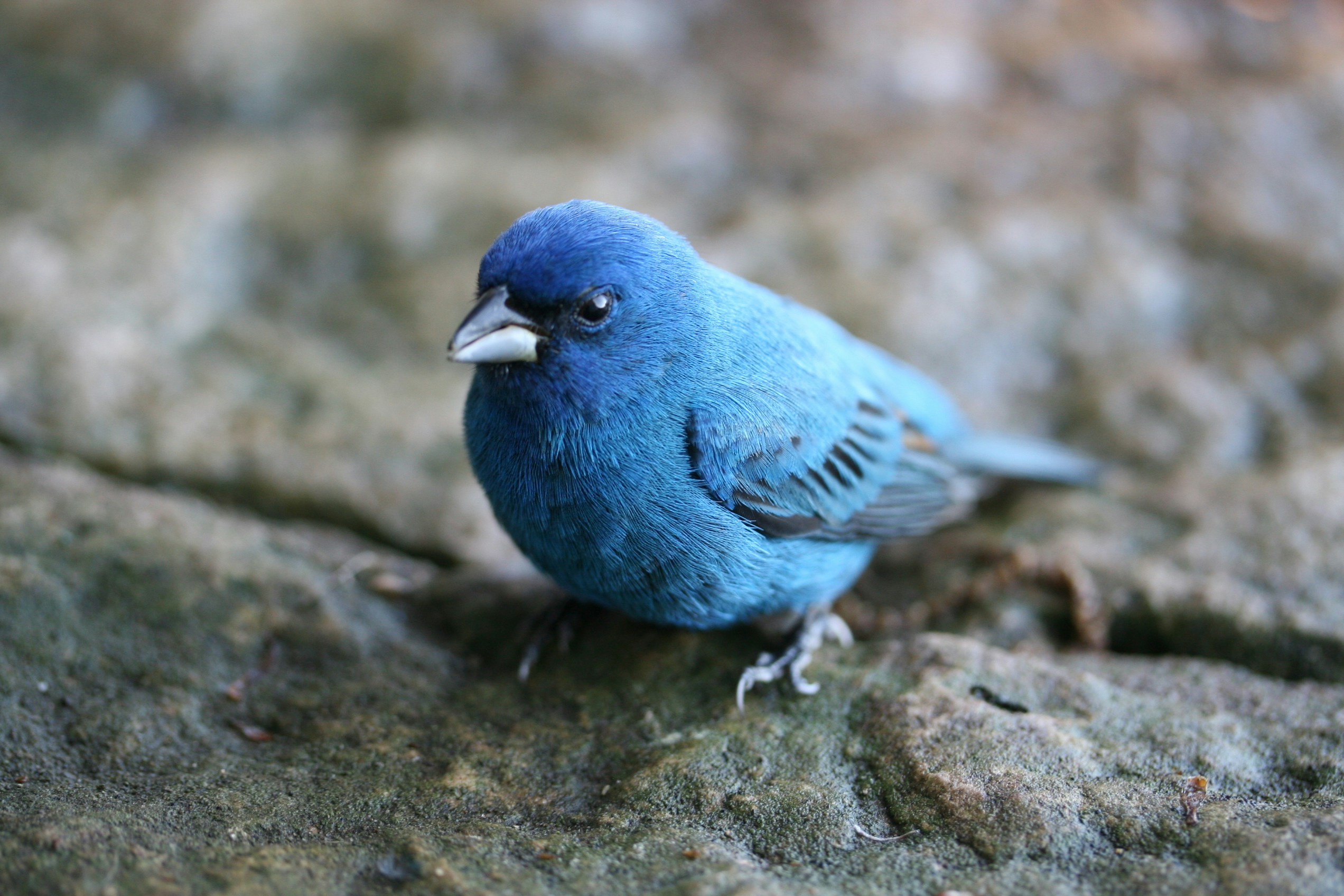
Indigo is a color that has captivated cultures for centuries, symbolizing beauty, depth, and mystery. It has deep historical roots, stretching back to ancient civilizations that revered this rich hue. The indigo dye, derived from the plants of the genus Indigofera, was a treasured commodity in trade routes across the world. Its vibrant shade made it particularly popular in textiles, where it transformed fabrics and brought garments to life.
The Cultural Significance of Indigo
This color holds immense cultural significance across various societies. In many African cultures, indigo is associated with deep spiritual meanings, representing healing and protection. In India, the dye has played an essential role in traditional textiles; artisans have been honing their skills for generations, weaving intricate patterns that showcase indigo’s beauty. The appeal of this color transcends borders, making it a universal symbol of creativity and expression.
The Modern Uses of Indigo
Today, indigo continues to inspire diverse forms of art and design. It is widely used in fashion, interior decor, and visual art. The resurgence of natural dyes has reignited interest in indigo, as more designers seek sustainable alternatives to synthetic dyes. Furthermore, indigo’s unique ability to evoke calm and reflection makes it a favorite in various color palettes, promoting tranquility in personal spaces.