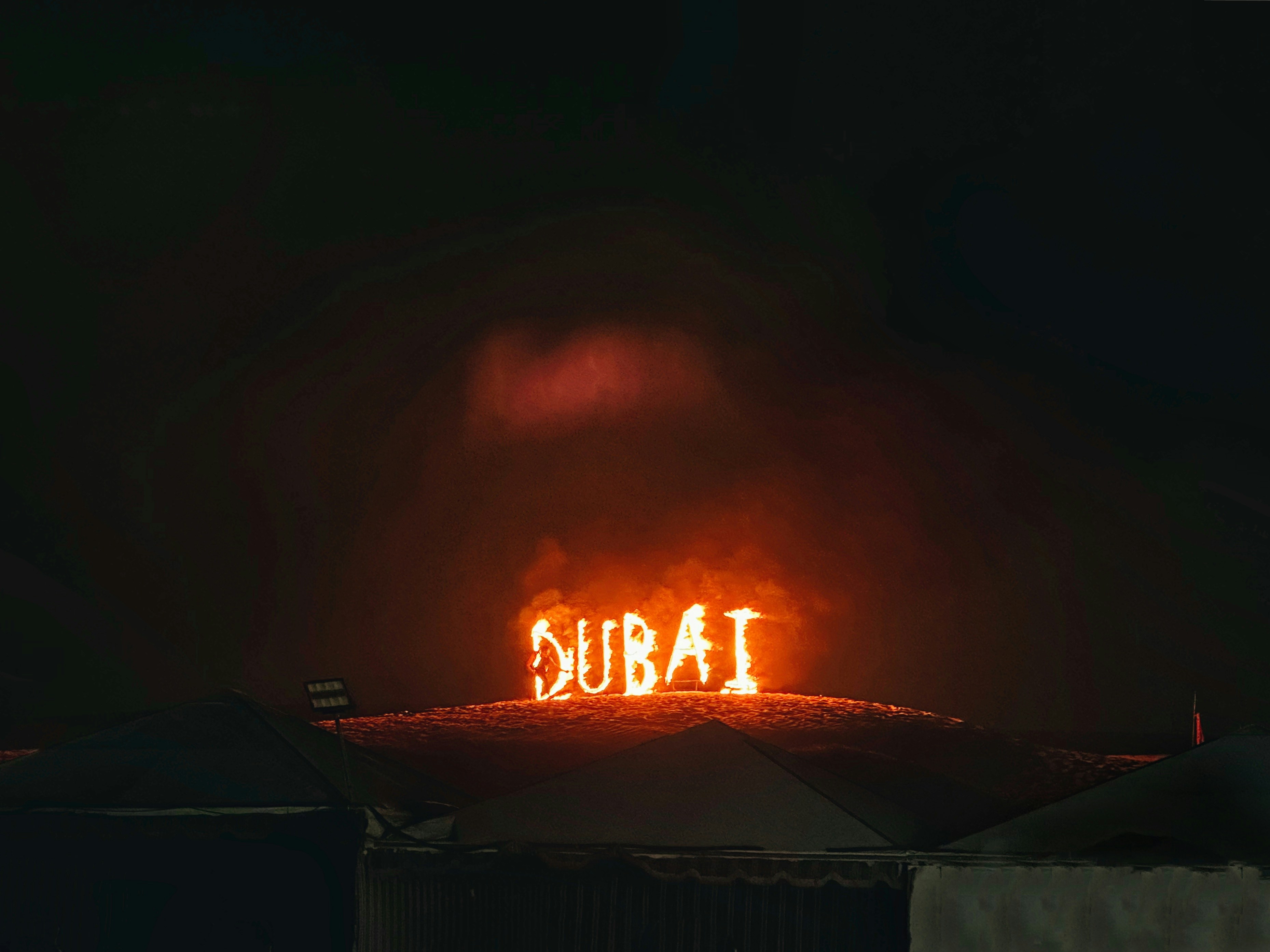
Introduction to Dubai
Dubai, often referred to as the jewel of the Middle East, is a city and emirate located on the southeast coast of the Arabian Peninsula. It sits along the Persian Gulf and is part of the United Arab Emirates (UAE), bordered by the emirate of Abu Dhabi to the south and Sharjah to the northeast. The strategic geographical location of Dubai has positioned it as a critical hub for trade, commerce, and tourism, connecting Asia, Europe, and Africa.
Historically, Dubai was a modest fishing village known for its pearl diving and trade activities. However, the discovery of oil in the 20th century marked a turning point in its evolution. The subsequent economic boom led to rapid urban development, transforming the skyline and infrastructure dramatically. Today, Dubai is recognized worldwide for its remarkable architectural feats, such as the Burj Khalifa, which is the tallest building in the world, and iconic landmarks like the Palm Jumeirah, an artificial archipelago that exemplifies modern engineering marvels.
Beyond its modernity, Dubai retains a rich cultural heritage that reflects its Arab traditions. The city boasts numerous museums, art galleries, and historical sites, including the Al Fahidi Historical District and the Dubai Museum, which showcase the emirate’s heritage and evolution. Festivals and events, such as the Dubai Shopping Festival and various cultural exhibitions, serve as a testament to its diverse and inclusive society. As a melting pot of cultures, Dubai is home to residents from various nationalities, contributing to a vibrant social tapestry.
The blend of tradition and modernity in Dubai makes it a unique destination, appealing to tourists, business professionals, and expatriates alike. This dynamic city continues to evolve, seeking to innovate while preserving its historical roots, making it a fascinating subject for exploration in the context of the Middle East and beyond.
The Cultural Landscape of Dubai
Dubai, often hailed as the jewel of the Middle East, boasts a rich cultural heritage that reflects its position as a cosmopolitan city. The blend of traditional customs and modern influences creates a unique cultural landscape that attracts visitors from around the globe. Rooted in Islamic traditions, Dubai’s culture encompasses a variety of arts, music, and literature, showcasing the city’s dedication to preserving its heritage while embracing innovation.
At the heart of Dubai’s cultural identity are its numerous festivals. Events such as the Dubai Shopping Festival and the Dubai International Film Festival not only highlight local talent but also attract international participation, enriching the city’s cultural tapestry. The Emirati Heritage Festival, another significant event, emphasizes local traditions through food, crafts, and performances, providing insight into the customs that shape the identity of the people.
The impressive influence of various cultures in Dubai is evident in its culinary scene, which features a formidable mix of flavors that reflect its diverse population. From traditional Emirati dishes to international cuisines, the city’s gastronomic offerings symbolize the harmonious coexistence of various communities. This multicultural approach extends to the arts, as seen in the multitude of galleries and art exhibitions that celebrate both contemporary and traditional artistic expressions.
Cultural institutions such as the Dubai Museum and the Sheikh Mohammed Centre for Cultural Understanding play a pivotal role in educating visitors about the UAE’s history and traditions. These venues not only showcase artifacts and exhibitions but also foster dialogue through workshops and guided tours that engage both locals and tourists. Art enthusiasts can explore the Alserkal Avenue, home to numerous contemporary art galleries that feature works from both regional and international artists, emphasizing Dubai’s commitment to the arts.
In summary, the cultural landscape of Dubai is a testament to its rich heritage and diverse community. Through its festivals, culinary diversity, and cultural institutions, Dubai continues to evolve, making it a vibrant hub of art and tradition in the Middle East.
Architectural Wonders of Dubai
Dubai, often referred to as the Jewel of the Middle East, is renowned for its breathtaking architectural wonders that encapsulate the spirit of innovation and progress. Among the most iconic structures in this vibrant city is the Burj Khalifa, the tallest building in the world. Standing at a staggering height of 828 meters, the Burj Khalifa features a design inspired by the desert flower Hymenocallis, showcasing a unique blend of art and engineering. Completed in 2010, this monumental skyscraper does not merely redefine the skyline but also stands as a symbol of the emirate’s rapid development and ambition.
Another architectural marvel that draws visitors from around the globe is the Palm Jumeirah, an artificial archipelago shaped like a palm tree. This ambitious project is a testament to Dubai’s ability to transform its coastline through advanced engineering and innovative design. Encompassing luxury hotels, high-end residences, and a vibrant lifestyle, Palm Jumeirah is an enduring reminder of Dubai’s aspirations to be a premier tourist destination. The construction of this landmark involved moving millions of cubic meters of sand and rock, demonstrating the city’s commitment to pioneering large-scale urban projects.
The Dubai Frame is another remarkable example of the city’s architectural greatness. Opened in 2018, this 150-meter tall structure resembles a gigantic picture frame and offers panoramic views of both the old and new parts of Dubai. It serves not only as an observation point but also as a cultural landmark that reflects the city’s past, present, and future. The design of the Dubai Frame ingeniously combines elements of modern architecture with a narrative of the city’s history, making it an essential addition to Dubai’s architectural portfolio.
Collectively, these landmarks embody Dubai’s vision, showcasing the emirate’s ability to blend tradition with innovation. Each structure contributes to defining Dubai’s identity, making the city a prominent player on the global stage of architectural excellence.
Shopping in Dubai: A Paradise for Shoppers
Dubai has established itself as a premier shopping destination, attracting both tourists and residents with a diverse range of shopping experiences. The city’s shopping landscape is characterized by its luxurious malls, traditional souks, and unique retail offerings, making it a true paradise for shoppers.
One of the notable features of shopping in Dubai is its world-renowned malls, such as The Dubai Mall and Mall of the Emirates. The Dubai Mall, the largest shopping mall in the world, boasts over 1,200 retail stores, including high-end fashion brands, electronics, and unique specialty shops. Additionally, it offers entertainment options like an indoor aquarium and an ice rink, enhancing the shopping experience. Mall of the Emirates, known for its luxury retailers and the iconic indoor ski slope, further exemplifies Dubai’s innovative approach to retail.
In addition to modern shopping centers, Dubai is home to traditional souks, which provide a contrasting yet equally captivating shopping experience. The Gold Souk, famous for its dazzling displays of gold and jewelry, offers visitors the chance to purchase exquisite pieces at competitive prices. Meanwhile, the Spice Souk entices shoppers with a vibrant array of spices, herbs, and traditional Arabian goods, encapsulating the essence of Dubai’s rich cultural heritage.
Throughout the year, Dubai hosts impressive events, most notably the Dubai Shopping Festival. This month-long extravaganza turns the city into a shopper’s dream, featuring massive sales, entertainment, and activities for all ages. Discounts, promotions, and the chance to win exciting prizes encourage both locals and tourists to explore the vast array of offerings available. These elements, combined with Dubai’s cosmopolitan atmosphere and commitment to luxury, solidify its reputation as an unparalleled shopping haven in the Middle East.
Culinary Delights: A Taste of Dubai
Dubai’s culinary scene is a vibrant tapestry of flavors, reflecting the multicultural nature of its society. The city’s gastronomic offerings showcase a remarkable fusion of traditional Middle Eastern cuisine and international influences, making it a paradise for food lovers. As you explore Dubai, you will discover an array of eateries, ranging from luxurious dining establishments to local street food vendors, each presenting unique flavors that illuminate the city’s diverse heritage.
One of the hallmarks of Dubai’s culinary landscape is its famed eateries, which bring together renowned chefs from around the world. High-end restaurants such as Atmosphere, located on the 122nd floor of the Burj Khalifa, offer a fine dining experience with breathtaking views. Meanwhile, venues like Zuma and Nobu present innovative twists on traditional Japanese cuisine. Additionally, the city is home to numerous Michelin-starred establishments that redefine gourmet dining, providing visitors with unparalleled gastronomic experiences.
Street food culture thrives in Dubai, providing a more casual yet equally enticing dining option. Visitors can find food trucks and stalls serving a tantalizing selection of global street eats, from mouthwatering shawarma and falafel to exotic Indian curries and spicy Thai dishes. Night markets and food festivals are commonplace, allowing both locals and tourists to indulge in an array of flavors while enjoying the lively ambiance. Events like Dubai Food Festival celebrate the culinary creativity of the city, featuring pop-up restaurants and culinary competitions, enhancing the reputation of Dubai as a gastronomy hub.
In summary, Dubai’s culinary offerings encompass an extraordinary variety of flavors from different cultures, appealing to the palates of every visitor. From lavish dining experiences to delightful street food, the city ensures that each meal is a memorable experience that showcases the essence of Dubai’s rich culinary heritage.
Adventure and Leisure Activities
Dubai offers a plethora of adventure and leisure activities that cater to both thrill-seekers and those looking for leisurely experiences. One of the most popular excursions is the desert safari, where visitors can explore the scenic sand dunes via exhilarating 4×4 rides, dune bashing, camel riding, and sandboarding. As the sun sets, campers often indulge in traditional Bedouin-style hospitality, enjoying local cuisine while witnessing mesmerizing cultural performances, such as belly dancing and Tanoura shows.
Water enthusiasts will find a paradise in Dubai. The city’s coastline is dotted with pristine beaches and water sports facilities. Activities such as jet skiing, parasailing, and paddleboarding are readily available for those looking to soak in the sun and the sea. Aquaventure Waterpark, located within the Atlantis, The Palm resort, is another notable attraction, offering thrilling water slides and lazy rivers for visitors of all ages.
For those seeking a unique indoor adventure, Ski Dubai presents an extraordinary experience. As the Middle East’s first indoor ski resort, it features real snow, ski slopes, and even an ice park. Visitors can enjoy skiing, snowboarding, or simply playing with penguins, making it an ideal escapade regardless of the temperature outside.
Furthermore, adventure parks like IMG Worlds of Adventure and Motiongate Dubai provide a thrilling alternative for families and groups. These theme parks offer an assortment of rides and attractions inspired by popular movies and comic book characters, ensuring an entertaining day for everyone.
Overall, Dubai serves as a hub for adventure and leisure activities that enchant both tourists and locals, making it an unparalleled destination for memorable experiences in the heart of the Middle East.
Sustainability Initiatives in Dubai
Dubai’s commitment to sustainability is evident through a series of strategic initiatives aimed at fostering a greener and more resilient urban environment. The Dubai Clean Energy Strategy 2050 is a pivotal element of these efforts, which seeks to transform the city into a global hub for clean energy and green technologies. This ambitious strategy is designed to ensure that 75% of Dubai’s total power output comes from clean sources by 2050. Such a significant leap towards sustainability not only demonstrates Dubai’s leadership in eco-friendliness but also aims to reduce the carbon footprint and promote environmental stewardship.
In line with the strategy, projects like the Mohammed bin Rashid Al Maktoum Solar Park serve as a hallmark of Dubai’s renewable energy goals. This expansive solar facility is poised to become one of the largest in the world, aiming to produce 5,000 megawatts by 2030. The park showcases what can be achieved through investment in renewable energy, offering a sustainable solution to meet the city’s energy demands and simultaneously minimizing reliance on fossil fuels.
Moreover, Dubai is actively promoting sustainable urban development through initiatives such as the Dubai Urban Plan 2040, which integrates green spaces, sustainable transportation, and eco-friendly infrastructure. This plan is instrumental in creating a more livable city while maintaining a delicate balance between urban expansion and ecological preservation. The rise of green buildings, backed by regulations that encourage environmentally conscious designs, reflects the city’s resolve to create an urban landscape that prioritizes sustainability.
Ultimately, Dubai’s sustainability initiatives represent a comprehensive approach to environmental challenges. By embracing innovation and committing to policy reforms, the city is well on its way to establishing itself as a model for sustainable urban living in the Middle East. The ongoing efforts not only contribute to the global sustainability agenda but also enhance the quality of life for residents in this vibrant metropolis.
Festivals and Events in Dubai
Dubai, a thriving metropolis widely recognized for its architectural marvels and luxurious lifestyle, also stands out for its vibrant festivals and events. These occasions are not only a showcase of local culture and traditions but also serve as a magnet for global audiences, emphasizing the city’s diverse and multicultural fabric. One of the most significant events is the Dubai International Film Festival (DIFF), which has gained international acclaim since its inception in 2004. The festival brings together filmmakers, actors, and cinema enthusiasts from around the world to celebrate diverse storytelling through film. By screening both regional and international movies, DIFF fosters a sense of community among cinephiles and promotes Middle Eastern cinema on a global stage.
Another landmark event, Expo 2020, although postponed to 2021 due to the pandemic, projected a vision of unity and innovation. This world’s fair converged global nations to share advancements in technology, culture, and sustainability. With its theme of “Connecting Minds, Creating the Future,” Expo 2020 served as a platform for countries to showcase their contributions towards a better world, attracting millions of visitors and enhancing Dubai’s status as a global hub for innovation.
Moreover, Dubai hosts a variety of cultural celebrations that reflect its rich heritage and multiculturalism. Events like the Dubai Shopping Festival and the Dubai Food Festival exemplify the city’s commitment to celebrating diversity through commerce and gastronomy. The shopping festival, for instance, combines entertainment, significant discounts, and cultural performances, drawing both tourists and residents alike. Similarly, the food festival promotes culinary diversity by inviting chefs from around the globe to showcase their talents and engage with the community. These festivals and events not only enrich the cultural landscape of Dubai but also contribute significantly to its economy, making it an essential travel destination for people around the world.
Conclusion: The Future of Dubai
As we look to the future, Dubai stands as a beacon of innovation and ambition. The city has successfully transformed itself from a modest fishing village into a global hub for trade, tourism, and culture in just a few decades. This extraordinary development trajectory is characterized by cutting-edge architecture, luxurious amenities, and a diverse economy that flourishes in various sectors, including real estate, technology, and finance.
Emerging projects poised to redefine the city’s landscape are currently underway. Among these are the Dubai Creek Tower, expected to surpass the Burj Khalifa in height, and the expansive Dubai Harbour, designed to enhance maritime tourism. These initiatives underscore Dubai’s commitment to remaining at the forefront of global cities, continually enhancing its appeal to both tourists and investors alike.
Furthermore, Dubai is strategically positioning itself to host a series of significant international events, including the much-anticipated Expo 2025. Events of this magnitude not only stimulate the local economy but also present an opportunity for the city to showcase its advancements and cultural richness to a global audience. The emphasis on sustainability and smart technology in these projects reflects a forward-thinking approach, fostering an environment conducive to innovation and creativity.
Visitors in the coming years can expect a dynamic experience, integrating state-of-the-art infrastructure with traditional Emirati charm. The integration of cultural districts, outdoor spaces, and entertainment hubs will enhance the lifestyle offerings while promoting tourism. The ongoing evolution of Dubai emphasizes resilience and adaptability, ensuring that the city continues to captivate and inspire all who visit it. As we navigate this exciting transition, it is evident that the future of Dubai is not just bright; it is set to shine even more brilliantly on the world stage.