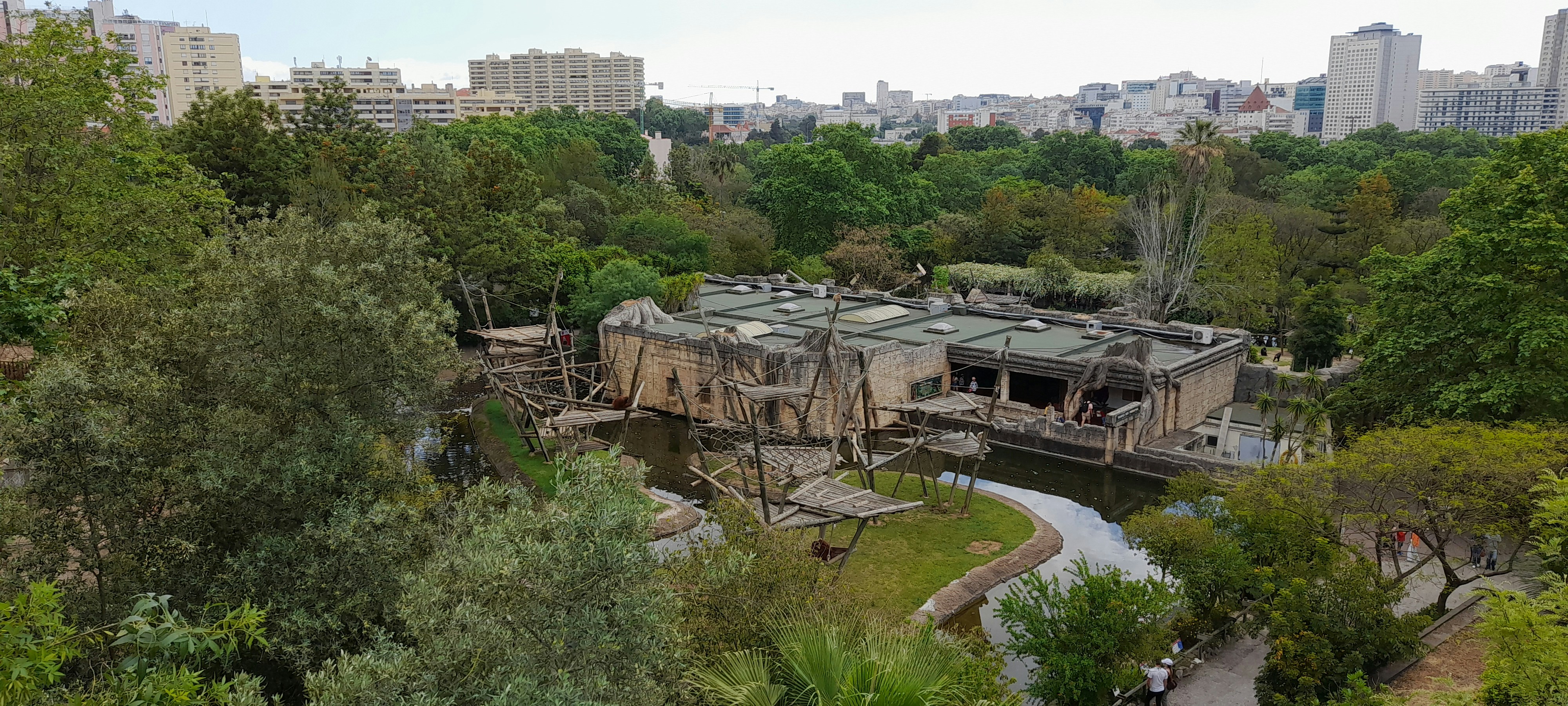
A Brief History of London Zoo
Established in 1828, London Zoo is one of the world’s oldest scientific zoos, initially created for the purpose of research and education. The inception of this remarkable institution stems from the desire to enhance the understanding of zoology, making it a vital component of scientific discovery during the 19th century. It was opened to the public in 1847, signaling a shift from pure scientific observation to a more public-focused approach that would allow visitors to engage with its inhabitants.
Throughout its history, London Zoo has undergone significant transformations that reflect changes in societal attitudes towards animal welfare and entomology. One of the key milestones was the introduction of the Zoo’s first ‘zoo animals’ exhibit, which aimed to replicate animals’ natural habitats in a bid to create a more ethical environment for the creatures. By the late 19th and early 20th centuries, London Zoo was exhibiting extensive collections of varied species, focusing not only on conservation but also on educating the public.
Notable events over the years include the opening of the Gorilla Kingdom in 2007, which emphasized the importance of conservation efforts for endangered species through immersive environments that educate visitors about wildlife and their habitats. Moreover, the institution has continuously adapted to include modern animal welfare practices, moving away from Victorian-era exhibits toward more humane and naturalistic enclosures.
The role of London Zoo in conservation extends beyond its boundaries; it has participated in numerous breeding programs aimed at protecting endangered species. Over the years, its commitment to wildlife conservation has strengthened, playing a crucial part in global efforts to preserve biodiversity. With each passing year, London Zoo remains a beacon of inspiration, nurturing the relationship between humanity and the animal kingdom while educating the public on the pressing need for conservation.
Getting to London Zoo
Reaching London Zoo, situated in the picturesque Regent’s Park, is straightforward, thanks to various transportation options available for visitors. Public transport is the most convenient method for many, as multiple bus and train routes connect directly to the zoo. The nearest underground station is Camden Town, located about a 15-minute walk away. Alternatively, visitors can opt for the Regent’s Park station, which is slightly closer, approximately a 12-minute stroll through the scenic park. Buses, such as the 274, also serve the area, offering a reliable means of travel to the zoo.
For those who prefer to arrive by car, there are several parking options available nearby. The Primrose Hill car park, located a short distance from the zoo entrance, offers a limited number of spaces on a first-come, first-served basis. Moreover, the surrounding streets provide metered parking, although it is advisable to check parking restrictions beforehand to avoid fines. Visitors should consider that navigating through parking can be challenging during peak visiting hours, so arriving early is highly recommended.
Accessibility is also a priority at London Zoo, ensuring that all visitors can enjoy their experience without difficulty. The zoo is wheelchair-friendly, with ramps and accessible paths throughout the premises. Additionally, designated parking spaces are available for those who hold a Blue Badge. For families traveling with young children, strollers are welcome, and hire services for wheelchairs are offered on-site, enhancing convenience for all attendees. It is advisable to consult the zoo’s website for any updates or further accessibility details ahead of your visit to ensure a smooth and enjoyable experience.
Key Attractions and Animal Exhibits
London Zoo offers an array of attractions that cater to wildlife enthusiasts and families alike. The zoo is home to numerous thoughtfully designed exhibits that replicate the natural habitats of its inhabitants. One of the premier attractions is the Gorilla Kingdom. This exhibit showcases a troop of western lowland gorillas in an immersive environment that features lush vegetation and climbing structures. Visitors can observe these majestic animals as they display natural behaviors such as playing, foraging, and interacting with one another. Informative signs and expert-led talks enhance the experience, providing insights into gorilla conservation efforts and their complex social structures.
Another highlight is Penguin Beach, a vibrant area dedicated to the zoo’s charming penguins. The exhibit is designed to mimic the chilly climates of their natural habitats, complete with diving pools and rocky outcrops. Here, guests can witness various species, including Humboldt and African penguins, diving and swimming gracefully. The daily feeding sessions often attract large crowds, offering an interactive experience where visitors can learn about the penguins’ diets and behaviors from knowledgeable staff.
The African Bird Safari is also a must-see attraction within the zoo. This spacious exhibit contains a variety of bird species native to the African continent. It features free-flying birds within a scenic habitat, allowing guests to observe them in a setting that closely resembles their wild environment. From vivid flamingos to colorful lovebirds, this area offers a delightful sensory experience, with the sounds of chirping and fluttering wings creating a lively atmosphere. Additionally, educational displays provide information about avian conservation efforts and the unique challenges faced by these species in the wild.
Special Events and Educational Programs
London Zoo is renowned not only for its rich collection of wildlife but also for its robust lineup of special events and educational programs designed for visitors of all ages. Throughout the year, the zoo hosts a variety of seasonal events that celebrate wildlife and promote conservation awareness. These events often feature themed activities that allow attendees to engage with the zoo’s mission, providing an opportunity to learn about the diverse species that reside within its grounds.
A notable event is the annual “Zoo Lates” which occurs during the summer months. This event transforms the zoo into a vibrant nightlife destination, allowing adults to explore the venue after dark, all while enjoying live music and special talks from animal experts. Additionally, the winter season brings the “Zoo Lights” event, where the zoo is illuminated with stunning light displays, creating a magical experience for visitors of all ages.
Educational programs are a core aspect of London Zoo’s commitment to wildlife conservation. The zoo offers workshops, summer camps, and school programs tailored to educate the public about animal behaviors, biodiversity, and conservation efforts. These programs often include hands-on learning experiences where participants can interact with certain animals under the guidance of trained staff, further fostering a deeper understanding of the importance of wildlife preservation.
Moreover, the zoo organizes special talks and demonstrations throughout the year, allowing visitors to witness animal feeding sessions and learn about the feeding habits and habitats of various species. Participation in these programs is typically accessible via the zoo’s official website, where visitors can book tickets or register for specific workshops. Overall, London Zoo’s dedication to delivering engaging special events and educational offerings enhances its role as a leader in wildlife conservation and community outreach.
Tips for Visiting London Zoo
When planning a visit to London Zoo, it is important to consider various key factors that can enhance your experience. To make the most of your trip, timing is essential. Weekdays, particularly during school term times, tend to be less crowded than weekends and school holidays. Early mornings right when the zoo opens also provide a quieter atmosphere for observing animals at their most active times, especially during feeding sessions.
Creating a rough itinerary prior to your visit can ensure that you cover all the key attractions. The zoo is home to a diverse range of species, including lions, tigers, and special exhibits like the Gorilla Kingdom and Penguin Beach. To maximize your experience, prioritize your must-see animal exhibits and plan your route accordingly. Consider checking the schedule for daily talks and animal demonstrations, as these provide fascinating insights into the wildlife and are often well received by both children and adults.
Dining options within the zoo cater to a variety of tastes and dietary preferences. From casual cafes to more upscale dining, it is advisable to explore the offerings in advance. Keep in mind that there may be picnic areas available if you prefer to bring your own food. Regardless of your dining choice, be prepared for varying weather conditions, and dress accordingly. With London’s often unpredictable weather, carrying an umbrella or raincoat is advisable.
Additionally, familiarize yourself with the zoo’s rules and guidelines to ensure a safe and enjoyable experience for everyone. Adhere to the policies regarding animal interactions and respect designated viewing areas. By following these tips, your visit to London Zoo can be both enjoyable and memorable, allowing you to appreciate one of the world’s oldest zoos fully.
Sustainability and Conservation Efforts
London Zoo has long been committed to sustainability and conservation, playing a vital role in protecting endangered species and their habitats. Over the years, the zoo has implemented various initiatives aimed at conservation, serving as a model for other institutions worldwide. One of the primary focuses is the protection of species at risk of extinction. Through captive breeding programs, London Zoo aims to bolster the populations of animals such as the Sumatran tiger and the Western lowland gorilla, thereby increasing genetic diversity and providing a safety net for these species.
In addition to breeding programs, the zoo actively engages in habitat restoration projects. These initiatives often extend beyond the boundaries of the zoo, as London Zoo collaborates with wildlife organizations to rehabilitate ecosystems that have been adversely affected by human activity. Such partnerships ensure that conservation efforts are effective and sustainable, addressing the root causes of habitat degradation while fostering biodiversity.
Education remains a cornerstone of London Zoo’s conservation strategy. The zoo organizes a wide range of programs and educational materials designed to promote ecological awareness among visitors. By showcasing the importance of diverse ecosystems and the threats posed by climate change, the zoo seeks to instill a sense of responsibility in its audience. Engaging exhibits and informative talks provide visitors with tangible connections to the species they encounter, emphasizing that every individual has a role to play in conservation efforts.
Moreover, London Zoo partners with numerous global conservation organizations, sharing knowledge and resources to combat wildlife threats on an international scale. These collaborations help to amplify the impact of local efforts and foster a global network dedicated to biodiversity preservation. By incorporating innovative approaches in sustainability and conservation, London Zoo continues to lead the charge in the fight against species loss and habitat destruction.
Visitors’ Reviews and Experiences
London Zoo, established in 1828, has garnered a plethora of testimonials from visitors over the years, reflecting a wide spectrum of experiences. Many patrons express admiration for the zoo’s role in wildlife conservation and education, emphasizing its commitment to species preservation. The diversity of animals on display, including the majestic lions, playful penguins, and endangered species, captivates both adults and children alike. Visitors frequently highlight the engaging educational talks hosted by knowledgeable staff, enhancing their understanding of animal behaviors and environmental issues.
However, it is essential to consider the constructive feedback provided by some visitors. A common concern noted in reviews is the perceived need for improvement in certain areas, such as animal habitats, which some guests feel could be more spacious or enhanced to better mimic natural settings. Additionally, while many appreciate the zoo’s layout, some have suggested that clearer signage would facilitate navigation, particularly for first-time visitors.
In terms of visitor experiences, trends emerge regarding popular attractions within the zoo. The Gorilla Kingdom and the Zoo’s Aquarium consistently receive accolades for their immersive environments and the opportunity to observe these fascinating creatures up close. The newly renovated Penguin Beach also garners positive feedback, with many praising the enclosure’s design and the exciting feeding sessions that delight attendees.
Moreover, families often mention the availability of amenities such as playgrounds, picnic areas, and dining options, enhancing their overall experience. Nevertheless, during peak seasons, some visitors report overcrowding, suggesting that timed ticketing could be beneficial in managing visitor flow and maximizing enjoyment. These insights into past experiences allow potential visitors to gauge what they might expect during their visit to London Zoo.
Dining and Shopping Options at London Zoo
London Zoo offers a diverse array of dining options and shopping experiences that cater to visitors of all ages. Within the zoo grounds, guests can explore several eateries that provide a selection of food choices, from quick snacks to hearty meals. These venues are strategically located, ensuring that whether you are taking a break after an engaging animal encounter or sharing a meal with family and friends, dining at London Zoo remains convenient.
One popular dining option is the Terrace Restaurant, which presents a scenic view of the surrounding landscape while serving a variety of dishes, including vegetarian and vegan-friendly alternatives. The restaurant emphasizes fresh ingredients, ensuring that the meals are both tasty and nutritious. For those in need of lighter fare, kiosks scattered throughout the zoo offer sandwiches, salads, and beverages, allowing visitors to grab a bite on the go.
Dietary accommodations are a priority at London Zoo, and efforts are made to cater to different dietary needs. Gluten-free, dairy-free, and nut-free options are often available, ensuring all guests can find something to enjoy. Friendly staff members are also ready to assist with any specific dietary inquiries, making the dining experience seamless and enjoyable.
Aside from dining, London Zoo boasts a variety of shops that enhance the visitor experience. These retail outlets offer an extensive selection of souvenirs, including plush toys modeled after the animals seen within the zoo, clothing, and educational materials that promote wildlife conservation. The merchandise available is often centered on the theme of wildlife conservation, encouraging guests to take home a piece of their visit while also raising awareness about various ecological issues.
Shopping at London Zoo not only serves as a way to remember your trip but also supports the important conservation efforts undertaken by the zoo.
Planning Your Visit: Ticket Prices and Opening Hours
When organizing a trip to London Zoo, it is vital to familiarize yourself with the ticket prices and opening hours to ensure a smooth experience. Admission fees fluctuate based on various factors, including age, group size, and special offers. As of October 2023, standard adult tickets are priced at approximately £30, while children between the ages of three and fifteen can enter for around £15. Children under three benefit from complimentary entry. It is advisable to purchase tickets online in advance, as this not only secures your preferred date but also often provides a discount compared to on-site purchases.
For families planning their visit, consider the Family Ticket option, which allows entry for two adults and up to three children at a reduced rate, making it an economical choice. Additionally, numerous discounts may be applicable, such as those for students and seniors, providing an incentive for a wider audience to enjoy the attractions of the zoo.
The London Zoo typically operates year-round, with opening hours varying depending on the season. Generally, from March to October, the zoo opens from 10:00 AM to 5:00 PM, while in the colder months, hours may be shortened. It is always recommended to check the official London Zoo website for the latest information regarding operational hours, especially during public holidays or when special events are scheduled.
If you are planning to visit London Zoo as part of a larger group, it is prudent to book in advance and inquire about group discounts. Memberships are also available for those who intend to visit frequently, offering unlimited entry throughout the year along with additional perks. Understanding these logistical aspects will enhance your overall visit experience at this beloved attraction.