
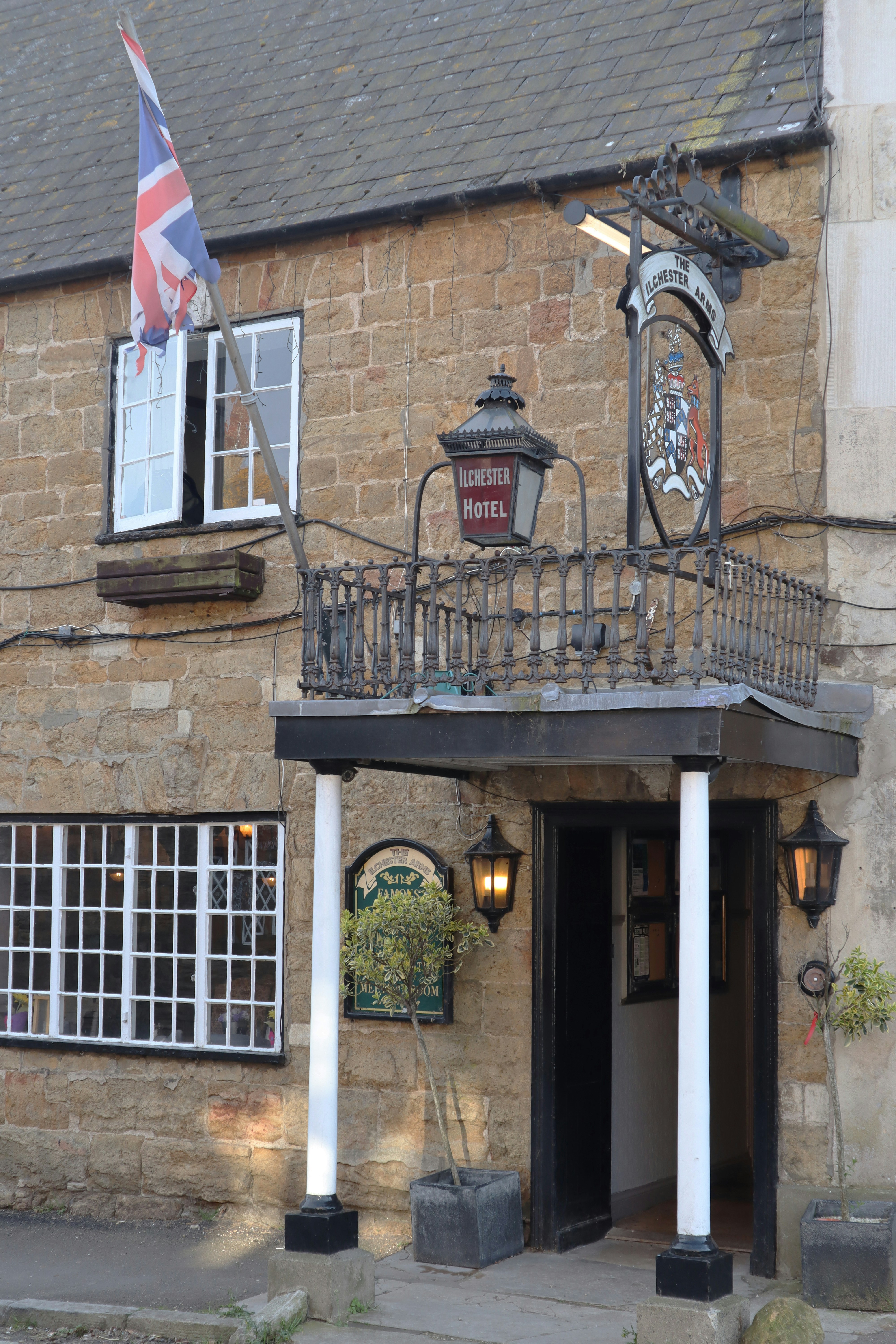
Introduction to Somerset
Somerset is a picturesque county located in the South West of England, bordered by the Bristol Channel to the north and the Mendip Hills to the south. Its geographical landscape is defined by rolling hills, expansive moorlands, and fertile plains, making it a region of both natural beauty and agricultural significance. The county has a diverse topography, which includes parts of the renowned Exmoor National Park, the picturesque Cheddar Gorge, and the unique landscape of the Somerset Levels, known for its wetlands and rich biodiversity.
Historically, Somerset has played a vital role in British heritage, dating back to prehistoric times. The area is renowned for its archaeological sites, including Stone Age burial mounds and Roman ruins, which provide a glimpse into its extensive past. The county’s history is further enriched by landmarks such as Glastonbury Abbey, associated with the legend of King Arthur and a key site for early Christianity, demonstrating Somerset’s significant cultural importance. Additionally, the historical towns of Bath and Wells boast remarkable architecture and heritage attractions, drawing visitors interested in the rich tapestry of English history.
Culture in Somerset is vibrant and diverse, reflecting a blend of traditional and contemporary influences. The county is known for its various festivals and events, including the famous Glastonbury Festival, which draws music enthusiasts from around the globe. Local crafts, artisanal foods, and the production of cider, which remains a staple of Somerset’s agricultural economy, showcase the region’s cultural craftsmanship. As a result, Somerset is not only a place of stunning landscapes but also a hub of cultural activities and traditions that contribute to its unique identity.
Geography and Natural Beauty
Somerset, a captivating county located in the South West of England, showcases a diverse and varied geography that enhances its appeal as a destination. One of the defining features of Somerset is its stunning coastlines along the Bristol Channel, which offer breathtaking views and a myriad of recreational opportunities. The coastal areas are characterized by dramatic cliffs and scenic beaches, providing not only aesthetic pleasure but also vital habitats for various marine species.
Inland, the Mendip Hills emerge as another prominent geographic feature, known for their rolling landscapes and limestone ridges. This region is particularly remarkable for its rich biodiversity, historic sites, and numerous walking trails that attract both nature enthusiasts and history buffs. The Mendips present a stark contrast to the coastal scenery, offering a tranquil environment with sweeping vistas and abundant wildlife, making it an ideal location for outdoor activities such as hiking and cycling.
Further adding to Somerset’s geographical diversity is the Somerset Levels, an extensive low-lying area known for its lush wetlands and unique ecosystems. The Levels serve as a crucial environment for numerous bird species and other wildlife, while also providing a picturesque landscape of meandering waterways and ancient moors. Within this realm, visitors may explore charming villages and historical landmarks that tell the story of the region’s rich heritage.
Additionally, Exmoor National Park, which straddles the border between Somerset and Devon, offers another layer to the county’s natural beauty. This park encompasses rugged landscapes, heather-clad moors, and deep river valleys, hosting a plethora of walking routes and scenic viewpoints. The distinctive geological features and rich flora and fauna of Exmoor contribute to its status as a cherished natural attraction within Somerset.
Historical Significance of Somerset
Somerset, a county in the South West of England, boasts a rich historical tapestry that dates back to prehistoric times. Archaeological evidence indicates that the area was inhabited as early as the Stone Age, with several sites such as the Cheddar Gorge being of notable importance. The discovery of tools and artifacts from this period not only highlights the human presence in the region but also provides insights into the daily lives of its early inhabitants.
The significance of Somerset escalated during the Roman occupation, which began in AD 43. The Romans established several settlements, including the city of Bath, renowned for its thermal springs and impressive Roman baths. The remnants of Roman architecture, including temples and roads, continue to serve as testaments to the county’s past and remain a focal point for visitors and historians alike.
Throughout the medieval period, Somerset flourished as a center for agriculture and trade. The construction of numerous abbeys, churches, and castles marked this era, with Glastonbury Abbey standing out as one of the most influential religious sites in England. The abbey is often associated with the legend of King Arthur and continues to draw scholars and tourists interested in both history and mythology.
The English Civil War (1642-1651) marked another pivotal chapter in Somerset’s history. The county witnessed significant battles, such as the Battle of Lansdowne and the Battle of Sedgemoor, which had lasting repercussions on the local populace and landscape. Key historical landmarks, including sites related to these battles, underline Somerset’s role in shaping the political landscape of England during this tumultuous period.
Somerset’s historical significance is not confined to events, but is deeply rooted in its rich cultural heritage, reflected through its preserved landmarks and vibrant traditions. These elements continue to contribute to Somerset’s identity, making it a fascinating subject of study for historians and an attractive destination for visitors looking to delve into the past.
Cultural Heritage and Traditions
Somerset, located in the South West of England, boasts a rich tapestry of cultural heritage shaped by its history, landscape, and community traditions. The region has preserved numerous customs and crafts that have been passed down through generations, contributing significantly to its identity. One of the most iconic events is the Glastonbury Festival, an annual music festival that not only showcases an eclectic lineup of artists but also highlights the region’s commitment to creativity and community spirit. Originating in 1970, this festival draws music lovers from around the world, fostering cultural exchange and invigorating the local economy.
Moreover, the Annual Somerset Carnival stands out as a vibrant celebration of local culture, attracting large crowds every year. This event is characterized by colorful floats, elaborate costumes, and a festive atmosphere that reflects the county’s rich folklore and traditions. The Carnival has historic roots, often featuring themes that celebrate local legends and stories, thus deepening the connection between the people and their heritage.
Traditional crafts play a pivotal role in preserving Somerset’s cultural landscape. Artisans skillfully produce products like cider, pottery, and textiles, which encapsulate the region’s rural character. The local cider-making tradition, in particular, is a significant aspect of Somerset’s identity, with many farms allowing visitors to explore the process and sample their creations. This craft not only represents the agricultural roots of the county but also serves as a point of pride for its inhabitants.
As a result, the amalgamation of local festivals, traditional crafts, and enduring customs establishes a unique cultural heritage that continues to thrive in Somerset. The preservation and celebration of these traditions not only enhance the community’s sense of identity but also attract tourists eager to experience the genuine spirit of this remarkable region.
Culinary Delights of Somerset
Somerset, a picturesque county in the South West of England, is not only known for its stunning landscapes but also for its rich culinary heritage. This region is acclaimed for its exceptional local produce, which significantly contributes to its diverse gastronomic offerings. In Somerset, one can find a variety of artisanal goods, including renowned products such as Somerset cider and a range of delectable cheeses, most notably the iconic Cheddar cheese. The unique combination of climatic conditions and fertile soil in this area fosters the growth of high-quality ingredients that are celebrated by both chefs and food enthusiasts.
In addition to the celebrated cider and cheese, Somerset boasts a plethora of traditional dishes that showcase the region’s agricultural bounty. The county’s hearty menus often feature locally sourced meats, seasonal vegetables, and homemade pastries. Signature dishes such as the beloved Somerset Stew and the classic Cornish Pasty reflect the area’s culinary traditions and its emphasis on farm-to-table dining. Visitors interested in experiencing authentic taste of Somerset will find it worthwhile to explore various food festivals held throughout the year. These festivals often highlight local producers, enabling attendees to sample an array of products while absorbing the lively atmosphere.
For those seeking to indulge their taste buds further, several restaurants and farmers’ markets promote Somerset’s culinary scene. Establishments like The Pig near Bath and The Masons Arms in Knowstone, known for their commitment to using local and seasonal ingredients, offer exceptional dining experiences. Moreover, farmers’ markets like the one held in Frome provide an excellent opportunity to engage with local vendors and explore freshly harvested fruits, vegetables, and artisanal goods. Therefore, whether enjoying a fine dining experience or perusing a bustling market, the culinary delights of Somerset offer an enriching experience that is sure to satisfy any palate.
Exploring Tourist Attractions
Somerset is home to a plethora of remarkable tourist attractions that draw visitors from across the globe, each offering a unique glimpse into the county’s rich history and natural beauty. Among the most celebrated sites is the iconic Roman Baths in Bath, a UNESCO World Heritage site. Here, visitors can immerse themselves in the history of ancient Rome, exploring the remarkably preserved bathing complex that dates back to the 1st century AD. The site not only showcases the grandeur of Roman engineering but also highlights the significance of the thermal springs that have made Bath a center for healing and relaxation for centuries.
Another prominent destination is Glastonbury Tor, a hill topped with the remains of a historic church tower that provides panoramic views of the surrounding countryside. This mystical landmark is steeped in legend, believed by some to be the burial site of King Arthur or the Isle of Avalon from Arthurian legends. A visit to Glastonbury Tor allows tourists not only to hike its slopes but also to engage with the spiritual history and folklore that permeate the area. The breathtaking scenery and the sense of tranquility it offers is undeniably alluring for both spiritual seekers and nature lovers alike.
Dunster Castle, an enchanting medieval fortress, further exemplifies Somerset’s historical depth. Nestled in the picturesque village of Dunster, this castle has evolved significantly since its construction in the 11th century. Today, it stands surrounded by lush gardens and stunning landscapes, allowing visitors to explore its opulent interiors and learn about its storied past. The castle’s architecture reflects various styles from different eras, providing a fascinating tour of English history. Dunster Castle not only serves as an educational attraction but also a recreational space, making it an ideal stop for families and history enthusiasts.
Outdoor Activities and Adventure
Somerset is renowned for its diverse landscape, providing a wealth of outdoor activities and adventure opportunities for visitors and residents alike. From the striking coastline to the stunning moors and rolling hills, there is something to satisfy every adventurer’s itch. One of the most popular pastimes in Somerset is hiking, with a variety of trails meandering through scenic countryside. The South West Coast Path, in particular, offers breathtaking views over the Bristol Channel and showcases charming seaside villages along the way.
For those who prefer cycling, Somerset accommodates a plethora of cycle routes suitable for all skill levels. The county’s extensive network of dedicated cycle paths allows cyclists to explore both rural and urban areas comfortably. Visitors can enjoy guided tours or embark on their own journeys, taking in the picturesque landscapes that highlight Somerset’s natural beauty.
Water sports enthusiasts will find ample opportunities along the coast, particularly in areas such as Weston-super-Mare and Burnham-on-Sea. Here, individuals can partake in activities like paddleboarding, kayaking, and sailing. The coastal waters are also ideal for windsurfing and jet skiing, catering to those seeking adrenaline-fueled experiences. Adventurers wishing to explore Somerset’s rivers can try their hand at canoeing along the River Wye or the River Parrett, where tranquility meets adventure.
Bird-watching is yet another rewarding outdoor activity in Somerset, with a variety of nature reserves providing a habitat for diverse bird species. Sites such as the Avalon Marshes and the Somerset Levels are particularly prominent for their rich wildlife. Enthusiasts can enjoy the peaceful surroundings while observing migratory birds and other wildlife in their natural habitats. Overall, Somerset is a treasure trove of outdoor activities, truly making it a jewel in the South West for those seeking adventure and exploration.
Local Communities and Lifestyle
Somerset, a picturesque region in South West England, is renowned for its diverse communities and distinct lifestyle that reflect both its rich history and modern values. The demographic landscape of Somerset is characterized by a blend of urban and rural populations, with vibrant towns such as Bath and Taunton, alongside quaint villages like Dunster and Cheddar. This mixture contributes to a unique sense of community, where traditional values coexist with contemporary living.
Residents of Somerset take pride in their heritage, which is celebrated through various local festivals and events throughout the year. For instance, the famous Bath Literature Festival and the Wells Festival of Literature foster a strong sense of identity and belonging among the locals. Furthermore, the agricultural and artisanal aspects of the community are highlighted in farmers’ markets and food festivals, where Somerset’s produce is showcased. These gatherings are not merely transactional; they are social hubs where residents connect, share stories, and celebrate the region’s natural abundance.
Personal anecdotes from locals reveal the welcoming spirit that defines Somerset. Many residents describe their experiences of neighborly interactions, highlighting a strong emphasis on community support. This ethos is particularly evident in rural areas, where mutual aid is not uncommon, whether it be helping a neighbor with a farm project or organizing community events. Additionally, there is a notable emphasis on sustainability and environmental consciousness, reflecting wider societal trends toward a more sustainable lifestyle.
The lifestyle in Somerset can be described as laid-back yet vibrant, with a range of activities available to residents and visitors alike. From outdoor pursuits such as hiking the stunning Mendip Hills to enjoying the lively arts scene, there is a balance of tranquility and vibrancy that is deeply cherished by the local populace. The interplay of tradition and modernity facilitates a way of life that is both enriching and fulfilling for Somerset’s residents.
Conclusion: Why Visit Somerset
Somerset, a captivating region in the South West of England, offers a unique blend of history, culture, and natural scenery that makes it an attractive destination for travelers. Its rolling hills, quaint villages, and historical landmarks present a backdrop that is both picturesque and rich with stories. From the ancient ruins of Glastonbury Abbey to the stunning landscapes of Exmoor National Park, each corner of Somerset reveals a different aspect of its rich heritage and vibrant community spirit.
The cultural offerings of Somerset are equally compelling. The county is home to numerous festivals and events that celebrate local traditions, arts, and crafts. Whether it’s the lively atmosphere of the Glastonbury festival or the historic charm of the Wells Cathedral, visitors are treated to an array of experiences that showcase the region’s deep-rooted identity. The culinary scene also reflects this sense of place, with local produce and traditional dishes prominent on many menus, allowing visitors to taste the essence of Somerset.
Moreover, the natural beauty that this region encompasses is unparalleled. Coastal areas such as the stunning beaches at Weston-super-Mare and the dramatic cliffs of the Jurassic Coast provide ample opportunities for exploration and relaxation. For nature enthusiasts, the diverse landscapes—from serene moors to lush woodlands—invite adventure, whether through hiking, cycling, or leisurely walks.
In summary, Somerset stands out as a travel destination that caters to various interests, whether one seeks to delve into history, immerse in culture, or simply bask in the beauty of nature. Its warm community spirit welcomes visitors, encouraging them to explore its wonders and create lasting memories. Therefore, consider Somerset for your next travel adventure; its charm and offerings are sure to captivate anyone who visits.