The Rise of Dubai: A Brief History
Dubai, once a modest fishing village situated along the Persian Gulf, has undergone a remarkable transformation over the decades, evolving into a global center of tourism, business, and innovation. Its historical trajectory can be traced back to the early 20th century when the discovery of oil in 1966 marked a pivotal turning point for the emirate. This natural resource propelled Dubai into a new era of economic growth and modernization, drastically altering its landscape and demographics.
The strategic vision of the ruling family, particularly Sheikh Rashid bin Saeed Al Maktoum, played a crucial role in shaping Dubai’s development. Understanding the transient nature of oil wealth, Sheikh Rashid initiated an aggressive plan for economic diversification, focusing on sectors such as trade, tourism, and real estate. This foresight led to the establishment of critical infrastructure, including Dubai International Airport and the Jebel Ali Port, both of which now serve as major gateways for global commerce.
Throughout the late 20th century, government initiatives aimed at fostering a business-friendly environment resulted in the establishment of free zones, attracting foreign investment and multinational corporations. The creation of landmarks such as the Burj Khalifa and Palm Jumeirah highlighted Dubai’s ambition to redefine its identity, displaying both innovation and luxury on a grand scale. By hosting events like Expo 2020, Dubai solidified its reputation as a hub for cultural exchange and international cooperation.
As Dubai continues to push boundaries with its forward-thinking agenda, the emphasis on sustainable practices and smart city initiatives showcases the emirate’s commitment to maintaining its status as a leader in innovation. The historical evolution of Dubai, marked by strategic decisions and monumental projects, reflects a city that not only dreams big but is unrelenting in its pursuit of greatness.
Architectural Wonders: The Skyline of Dubai
The skyline of Dubai represents an extraordinary blend of modern architecture and cultural heritage, underscoring the city’s status as an epicenter of innovation and luxury. Renowned landmarks such as the Burj Khalifa, the Burj Al Arab, and the Palm Jumeirah serve as symbols of Dubai’s architectural prowess and vision. Each structure not only showcases remarkable design but also reveals the emirate’s aspirations to push the boundaries of architectural possibilities.
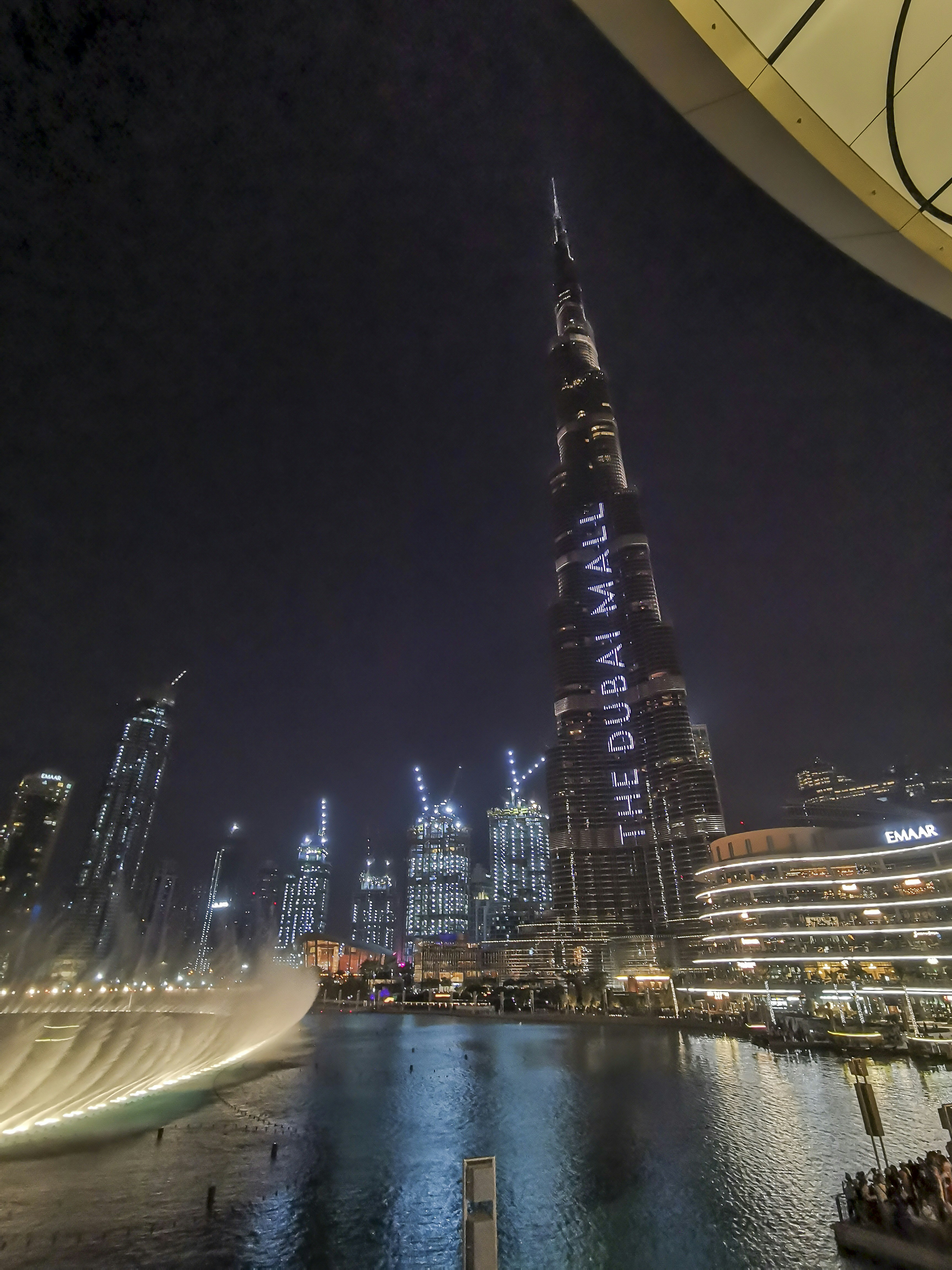
The Burj Khalifa, standing at an astonishing height of 828 meters, holds the title of the tallest building in the world. Its sleek, tapering silhouette has become synonymous with Dubai itself. The innovative use of materials and engineering techniques involved in its construction include a reinforced concrete core and a remarkable cladding system that withstands the region’s extreme weather conditions. Beyond its impressive stature, the Burj Khalifa also serves as a cultural beacon, attracting millions of visitors who marvel at its observation decks that offer breathtaking views of the sprawling metropolis.
Equally iconic is the Burj Al Arab, often dubbed as the world’s most luxurious hotel. Its unique sail-shaped design signifies Dubai’s maritime heritage and has become an emblem of opulence. This architectural wonder is constructed on a man-made island, demonstrating the extensive land reclamation efforts undertaken in Dubai’s evolution. The building’s luxurious interiors and personalized services provide a glimpse of the lavish lifestyle that characterizes this dynamic city.
Moreover, the Palm Jumeirah, an extraordinary feat of engineering, represents the audacious spirit of Dubai. Designed in the shape of a palm tree, this artificial archipelago hosts numerous high-end hotels, restaurants, and residences, making it a sought-after destination for both tourists and locals. The meticulous planning and execution of such structures reflect the harmonious integration of traditional influences with futuristic architectural trends, epitomizing Dubai’s unique identity on the global stage.
Cultural Experiences: A Taste of Tradition in Modernity
Dubai, a city renowned for its innovative architecture and luxury, also harbors a rich tapestry of cultural experiences that pay homage to its Emirati heritage. This cultural dichotomy is particularly evident in the way that traditional practices are interwoven with the city’s modern identity. One of the most effective ways to appreciate this fusion is through the culinary landscape of Dubai, where traditional Emirati cuisine offers a delectable glimpse into the past. Dishes such as Al Harees and Shawarma not only tantalize the palate but also serve as reminders of the region’s history and agricultural roots.
In addition to its cuisine, Dubai hosts various cultural festivals that celebrate its traditions while embracing modern expressions of art and music. Events like the Dubai Shopping Festival and the Emirati Heritage Festival showcase a blend of historical and contemporary influences, allowing visitors to engage with the rich traditions of the Emirates while enjoying world-class entertainment.
Exploring cultural sites is another way to experience this unique juxtaposition of old and new. The Dubai Museum, located in the historic Al Fahidi District, serves as a repository for the city’s past, offering insights into the traditional way of life before the oil boom transformed its skyline. Visitors can wander through exhibits that depict various aspects of Emirati heritage, including local crafts, clothing, and trade practices. Al Fahidi District, with its preserved wind-tower architecture, enhances the experience by providing a glimpse into the urban environment of early Dubai.
Through these cultural experiences, one can discern how the modern city of Dubai remains anchored in its traditions. The harmonious blend of cultural deep roots and contemporary influences not only enriches the lives of its residents but also captivates the curiosity of tourists seeking a deeper understanding of this unique metropolis.
The Future of Dubai: Vision 2040 and Beyond
Dubai is embarking on an ambitious journey towards its future, encapsulated in the strategic roadmap known as Vision 2040. This forward-thinking initiative is designed to transform the emirate into a leading global city while prioritizing sustainability, innovation, and enhanced quality of life for its residents and visitors. Vision 2040 aims to solidify Dubai’s position as a hub for commerce, culture, and tourism, all while addressing pressing environmental concerns and promoting efficient resource management.
One of the key components of Vision 2040 is the commitment to sustainability. Upcoming projects will focus on integrating green spaces within urban environments, enhancing public transportation systems, and promoting eco-friendly developments. Initiatives such as the increase of electric vehicle usage and the development of eco-friendly public transport alternatives are set to reduce the carbon footprint. By championing sustainability, Dubai aspires not only to elevate its global standing but also to serve as a model for other cities striving for similar objectives.
Innovation remains central to Dubai’s strategy, with an emphasis on tech-driven solutions that redefine urban living. Investments are being made in smart city technologies that aim to improve public services, enhance security, and facilitate connectivity. Furthermore, the city is developing a robust digital economy that harnesses the power of artificial intelligence, big data, and blockchain technologies. These advancements reflect Dubai’s commitment to fostering an environment where innovation can thrive, significantly impacting both the economy and the overall quality of life.
Moreover, as part of its forward-looking agenda, Vision 2040 seeks to promote a diverse tourism sector that appeals to a wider array of visitors. By investing in cultural initiatives and leisure projects, Dubai aims to enrich its tourism offerings beyond traditional attractions, enticing travelers to explore the city’s dynamic landscape. As a result, the implications of these developments extend to multiple sectors, positioning Dubai as a leader in sustainable urban development while enhancing its appeal as a destination of choice.