Introduction to the Dominican Republic
The Dominican Republic, located on the eastern side of the island of Hispaniola, is a nation that holds both geographical and historical significance in the Caribbean region. This beautiful country is bordered by the Atlantic Ocean to the north and the Caribbean Sea to the south, boasting a rich blend of stunning landscapes, including mountains, beaches, and lush forests. Historically, the island was inhabited by the Taíno indigenous people, who were the original inhabitants before the arrival of European explorers.
The arrival of Christopher Columbus in 1492 marked a pivotal moment in the history of the Dominican Republic, heralding the onset of European colonization. Columbus established the first permanent European settlement in the Americas, known as La Isabela, on the northern coast of the island. This event laid the foundation for centuries of colonial rule, which had profound effects on the indigenous populations and the evolution of the nation’s identity.
<pthroughout a="" african="" and="" bachata="" becoming="" by="" capture="" characterized="" colonization="" colorful="" cuisine.="" cultural="" culture,="" cultures="" dance,="" dishes,="" dominican="" energetic="" festivals="" flavorful="" for="" fusion="" has="" heritage="" history,="" in="" influenced="" is="" its="" known="" landscape="" melting="" merengue="" music,="" nation's="" of="" p="" people.<pas a="" admiration="" and="" appreciate="" as="" attractions.Cultural Heritage and Festivities
The Dominican Republic is known for its rich cultural heritage, a vibrant tapestry woven from the influences of indigenous Taíno, European colonizers, and African traditions. This blend has given rise to distinctive music, dance, and art forms that are celebrated throughout the nation. Among the most notable musical genres are Merengue and Bachata. Merengue, recognized by its fast-paced rhythm and lively tempo, originated in the Dominican Republic in the 19th century. It is characterized by its unique use of instruments such as the accordion, saxophone, and percussion, which come together to create an energetic atmosphere. In contrast, Bachata emerged in the rural areas of the country, encapsulating themes of love and heartbreak through its slower melodies. Both genres play a crucial role in Dominican cultural expression, frequently featured in gatherings and festivities.
The Dominican Republic is also home to numerous national celebrations that highlight its cultural vibrancy. Independence Day, celebrated on February 27th, honors the nation’s liberation from Haitian rule in 1844. This day is marked with parades, patriotic speeches, and cultural exhibitions that reflect the pride and resilience of the Dominican people. Another significant event is Carnival, a month-long celebration leading up to Lent, characterized by colorful costumes, joyous music, and lively dance. Various regional parades showcase local traditions, offering a glimpse into the diverse cultural landscape of the country.
In addition to music and festivities, the Dominican Republic has a rich literary tradition, with contributions from notable figures such as Juan Pablo Duarte and José Martí. Their works embody the spirit of the nation and inspire future generations. Overall, the cultural heritage and celebrations of the Dominican Republic serve as a testament to its creativity and resilience, reflecting the vibrant spirit that defines this beautiful Caribbean nation.
Natural Wonders and Tourist Attractions
The Dominican Republic is renowned for its breathtaking landscapes and rich natural beauty, offering visitors an array of ecosystems that range from pristine beaches to lush mountains and verdant rainforests. One of the country’s prime tourist destinations is Punta Cana, known for its idyllic white-sand beaches and crystal-clear waters. This area is ideal for relaxing by the beach, engaging in exhilarating water sports such as snorkeling, scuba diving, and sailing, or simply enjoying the tropical climate. The abundance of all-inclusive resorts further enhances the experience, catering to those looking for a retreat in paradise.
In contrast, Santo Domingo’s Colonial Zone provides a glimpse into the nation’s historical and cultural past. This UNESCO World Heritage site features a collection of well-preserved colonial architecture, charming cobblestone streets, and historic landmarks such as the Alcázar de Colón and the Catedral Primada de América. Visitors can wander through this vibrant area, immersing themselves in the history and culture while enjoying local cuisine at nearby restaurants.
For those seeking adventure in the great outdoors, the Dominican Republic is home to several national parks, each showcasing unique natural attractions. Jaragua National Park, for instance, boasts stunning coastlines, impressive caves, and diverse wildlife, making it an ideal spot for eco-tourism and hiking. Similarly, Los Haitises National Park features mangroves, limestone cliffs, and ancient Taino petroglyphs, offering guided tours for visitors interested in exploring its rich biodiversity.
In summary, the Dominican Republic’s natural wonders and tourist attractions make it a captivating destination that appeals to a wide range of travelers. Whether it is through lounging on picturesque beaches, exploring historical sites, or embarking on outdoor adventures, visitors are sure to find memorable experiences amidst the country’s diverse landscapes. Such attractions draw countless travelers from around the globe, eager to experience the distinctive beauty and culture of this Caribbean gem.
Culinary Delights of the Dominican Republic
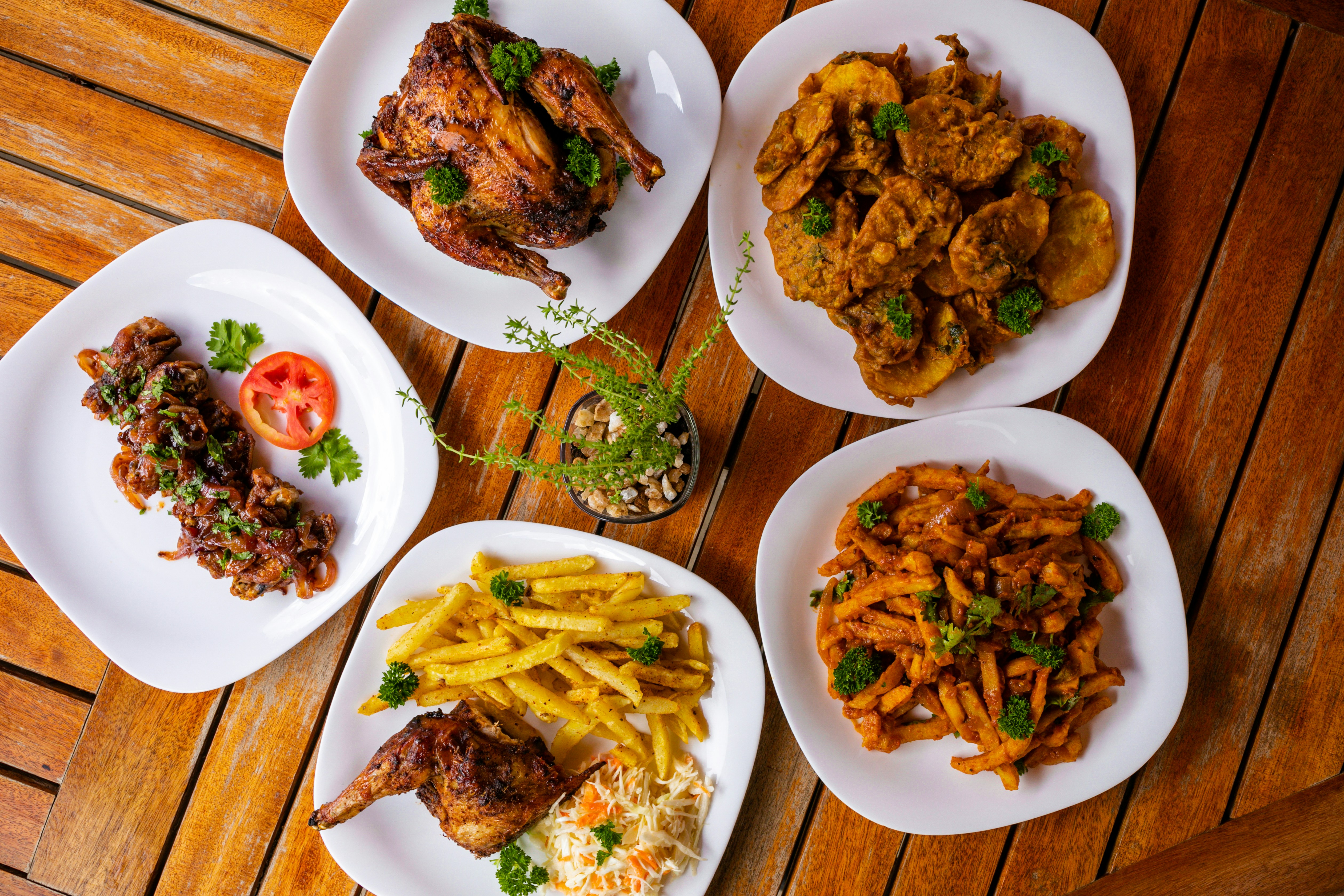
The cuisine of the Dominican Republic is a vivid reflection of its rich cultural tapestry, shaped by African, Spanish, and indigenous influences. This fusion is particularly evident in the use of staple ingredients such as rice, beans, plantains, and various meats, which form the foundation of many traditional dishes. One of the most beloved meals is Sancocho, a hearty stew that combines a variety of meats with root vegetables and plantains, typically enjoyed on special occasions. Another classic dish is La Bandera, consisting of rice, red beans, and grilled meat, symbolizing the Dominican flag and serving as a staple meal for families across the nation.
The Dominican dining experience extends beyond the table and into the social fabric of life. Meals are often communal, fostering connections and celebrating togetherness. Street food is an integral aspect of local gastronomy, with vendors offering tasty options such as empanadas, yaroas (loaded fries), and tostones (fried plantains). These accessible delights capture the essence of Dominican culture, as they bring together flavors and communities in informal settings.
An equally significant aspect of Dominican cuisine is its reputation for high-quality coffee and rum. Both beverages are celebrated not just for their taste but also for their cultural value. Dominican coffee, known for its smooth flavor and aromatic profile, is integral to daily life and is often enjoyed during gatherings or shared among friends. Meanwhile, the production and enjoyment of rum have become part of the national identity, with local brands garnering international recognition. The rich culinary traditions of the Dominican Republic, replete with a variety of flavors and vibrant culinary practices, underscore the country’s diverse heritage and communal spirit, making its food scene a captivating aspect of its culture.